
Bird watching is a delightful hobby. It brings us closer to nature.
In this blog post, we will compare two charming birds: the Red Headed Sparrow and the House Finch. Both birds are small, colorful, and common in many backyards. Understanding their differences can help you identify them better. This comparison can also deepen your appreciation for these feathered friends.
Let’s explore their unique traits and learn how to tell them apart. Whether you are a seasoned birder or a curious beginner, this guide will enhance your bird-watching experience. Get ready to dive into the world of these fascinating birds.
Physical Characteristics
Physical characteristics play a crucial role in distinguishing between the Red Headed Sparrow and the House Finch. These birds may seem similar to the untrained eye. But, they have distinct features that set them apart. Understanding these traits can help bird enthusiasts identify them more easily.
Size And Shape
The Red Headed Sparrow is small and compact. Its body measures around 5.5 inches long. It has a short tail and a stout body. In contrast, the House Finch is slightly larger, averaging about 6 inches in length. Its body is more elongated, with a longer tail. These differences in size and shape make identification easier.
Coloration And Markings
The Red Headed Sparrow has a striking red patch on its head. This feature is the easiest way to recognize it. The rest of its body is brown with streaked markings. On the other hand, the House Finch boasts a vibrant red coloration on its head, chest, and rump. Males display brighter colors than females. Female House Finches are brown and streaked, lacking the bright red hue. These color patterns are key to telling these birds apart.

Credit: www.youtube.com
Habitat Preferences
Red Headed Sparrows prefer open woodlands and grasslands. House Finches thrive in urban areas and suburban gardens. Both birds adapt well to different habitats.
When it comes to birdwatching, understanding the habitat preferences of different species can truly enhance your experience. The Red Headed Sparrow and the House Finch, although sometimes confused, have distinct habitat preferences. By knowing where to look, you can increase your chances of spotting these beautiful birds.Natural Habitats
The Red Headed Sparrow, often found in open woodlands, prefers areas with scattered trees and shrubs. They enjoy semi-arid regions and are commonly seen in grasslands. If you’re hiking through a forest with clearings, keep an eye out for these sparrows. House Finches, on the other hand, thrive in diverse environments. They are commonly found in deserts, grasslands, and even coastal areas. Their adaptability to different natural habitats makes them a frequent sight for many bird enthusiasts.Urban Adaptability
Red Headed Sparrows are less likely to be seen in urban environments. They tend to shy away from crowded areas and prefer the tranquility of rural settings. However, you might spot them in suburban gardens with plenty of green space. In contrast, House Finches are urban dwellers. They have adapted remarkably well to city life. You might see them perching on streetlights, hopping around in parks, or even visiting your backyard bird feeder. Their adaptable nature makes them a common sight in towns and cities. Have you noticed these differences in your local birdwatching spots? Observing these birds in their preferred habitats can make your next birdwatching trip even more exciting. Look for Red Headed Sparrows in peaceful, open woodlands and House Finches in bustling urban areas. Happy birdwatching!Behavioral Traits
Understanding the behavioral traits of the Red Headed Sparrow and the House Finch can help bird enthusiasts identify these species. Both birds exhibit unique behaviors. These traits make them fascinating to observe. Let’s delve into their distinct feeding habits and mating rituals.
Feeding Habits
Red Headed Sparrows have a varied diet. They enjoy seeds, insects, and fruits. You might see them foraging on the ground. They often hop around, looking for food. House Finches, on the other hand, prefer seeds and fruits. They frequently visit bird feeders. Their diet includes sunflower seeds and berries. Both birds adapt well to different food sources.
Mating Rituals
Mating rituals of these birds are quite different. Red Headed Sparrows engage in elaborate courtship displays. Males sing to attract females. They also perform flight displays. House Finches have simpler mating rituals. Males sing near the females. They may bring food as a courtship gesture. These behaviors ensure successful mating.
Vocalizations
Bird songs and calls can be fascinating. They hold many secrets about the bird’s behavior, territory, and communication. Red Headed Sparrows and House Finches are no exception. Their vocalizations are unique and tell a lot about these birds.
Song Patterns
Red Headed Sparrows have a series of short, melodic notes. These notes often repeat in a rhythmic pattern. Their songs are simple but pleasant.
House Finches, on the other hand, have complex song patterns. They sing long, warbling notes. Their songs can vary from one finch to another. This variation makes each House Finch’s song unique.
Communication Methods
Red Headed Sparrows use their songs to mark territory. They also use them to attract mates. The males are usually the singers. Their calls are more straightforward and serve specific purposes.
House Finches communicate through their varied songs. They use them for mating calls and to establish their presence. They also use their songs to warn of danger. Both males and females can sing, making their communication rich and diverse.
Understanding these vocalizations helps us learn about these birds. It shows us how they interact with their environment and each other.
Geographical Distribution
Understanding the geographical distribution of the Red Headed Sparrow and the House Finch can help bird enthusiasts identify these species. These birds occupy different regions and have unique migration patterns. This section will delve into their native ranges and migration behaviors.
Native Ranges
The Red Headed Sparrow, also known as the Red-headed Finch, primarily resides in southern Africa. Countries like Botswana, South Africa, and Namibia host these birds. They prefer dry, open areas with sparse vegetation.
The House Finch, on the other hand, is native to North America. Originally, they were found mostly in the western United States and Mexico. They thrive in urban and suburban areas, making them common in backyards and parks.
Migration Patterns
Red Headed Sparrows are not known for extensive migration. They tend to stay within their native range year-round. They might move locally in search of food and water during dry seasons.
House Finches have a more complex migration pattern. In the eastern United States, they tend to be non-migratory. Western populations might migrate short distances, especially from higher elevations to lower, warmer areas during winter.
These migration behaviors impact where and when you might see these birds. Understanding their patterns can enhance birdwatching experiences.
Dietary Differences
Understanding the dietary differences between the Red Headed Sparrow and the House Finch can provide valuable insights for bird enthusiasts. These two birds, while similar in size and habitat, have distinct feeding habits that set them apart. Let’s delve into their preferred food sources and feeding techniques.
Preferred Food Sources
The Red Headed Sparrow primarily feasts on seeds and grains. They are often spotted at feeders filled with millet, sunflower seeds, and cracked corn. Their diet also includes insects during the breeding season, which provides essential protein for their young.
On the other hand, the House Finch has a more varied diet. They enjoy seeds as well, but they also relish fruits and berries. In urban areas, you might see them nibbling on scraps of bread or even sampling from garden flowers. This flexibility in diet often makes House Finches more adaptable to different environments.
Feeding Techniques
Red Headed Sparrows are ground feeders. They prefer to forage on the ground, scratching the surface to uncover seeds and insects. This behavior is quite similar to chickens, making them easy to spot in open fields or gardens.
House Finches, however, are more versatile in their feeding techniques. They can feed both on the ground and in trees or shrubs. Their strong, conical beaks allow them to crack open tough seeds and extract the pulp from fruits. This adaptability in feeding methods gives them an edge in various habitats.
Have you ever observed these birds in your backyard? Noticing their feeding habits can help you attract them with the right food. Would you consider setting up different types of feeders to see which birds visit?
Conservation Status
When it comes to understanding the conservation status of the Red Headed Sparrow and the House Finch, it’s essential to consider various factors. These birds face different challenges which can impact their populations and conservation efforts. Let’s delve into the specifics of their current status.
Population Trends
The Red Headed Sparrow and House Finch have experienced contrasting population trends over recent years. The Red Headed Sparrow’s population has seen a gradual decline. Habitat loss and changes in land use are significant contributors to this trend.
On the other hand, the House Finch population has remained relatively stable. Thanks to its adaptability to urban environments, it has managed to thrive despite various challenges. This stability is a positive sign but doesn’t mean conservation efforts should be overlooked.
Conservation Efforts
Conservation efforts for these birds vary greatly based on their needs and habitats. For the Red Headed Sparrow, initiatives focus on habitat restoration and protection. Creating safe nesting sites and preserving natural habitats are crucial steps.
For the House Finch, efforts center on monitoring populations and preventing diseases like Mycoplasmal conjunctivitis. Public awareness campaigns also play a vital role in ensuring that these birds continue to thrive. Simple actions like providing clean feeders and fresh water can make a significant difference.
Have you ever thought about how your backyard can contribute to bird conservation? By creating bird-friendly environments, you can make a direct impact. What small changes can you make to support these beautiful creatures?
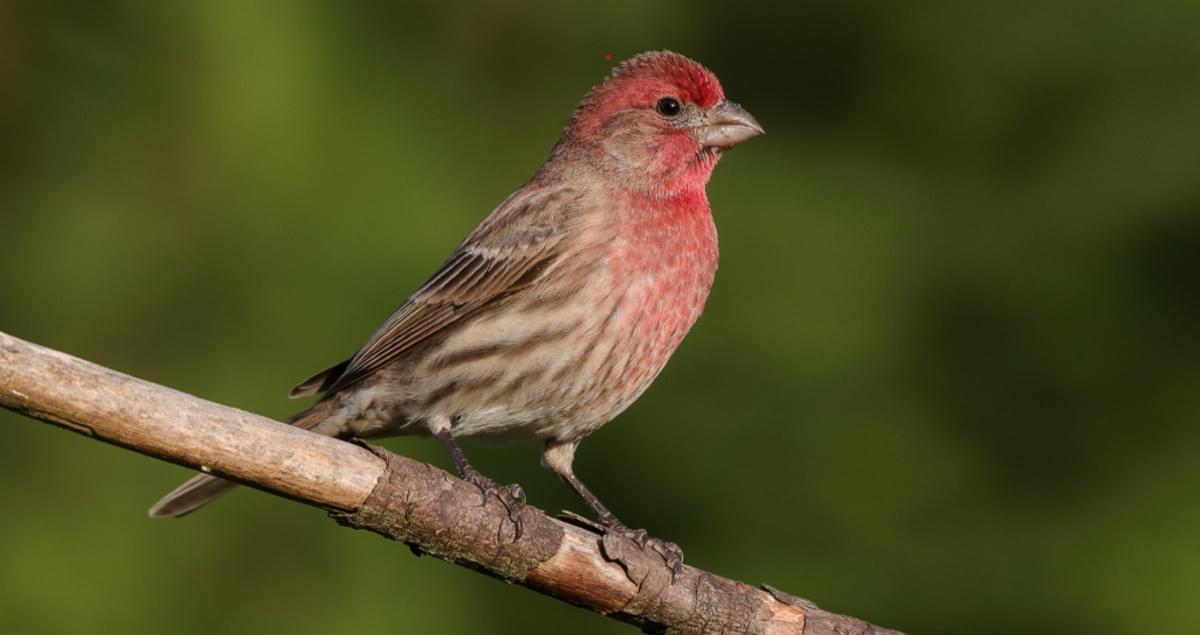
Credit: www.allaboutbirds.org
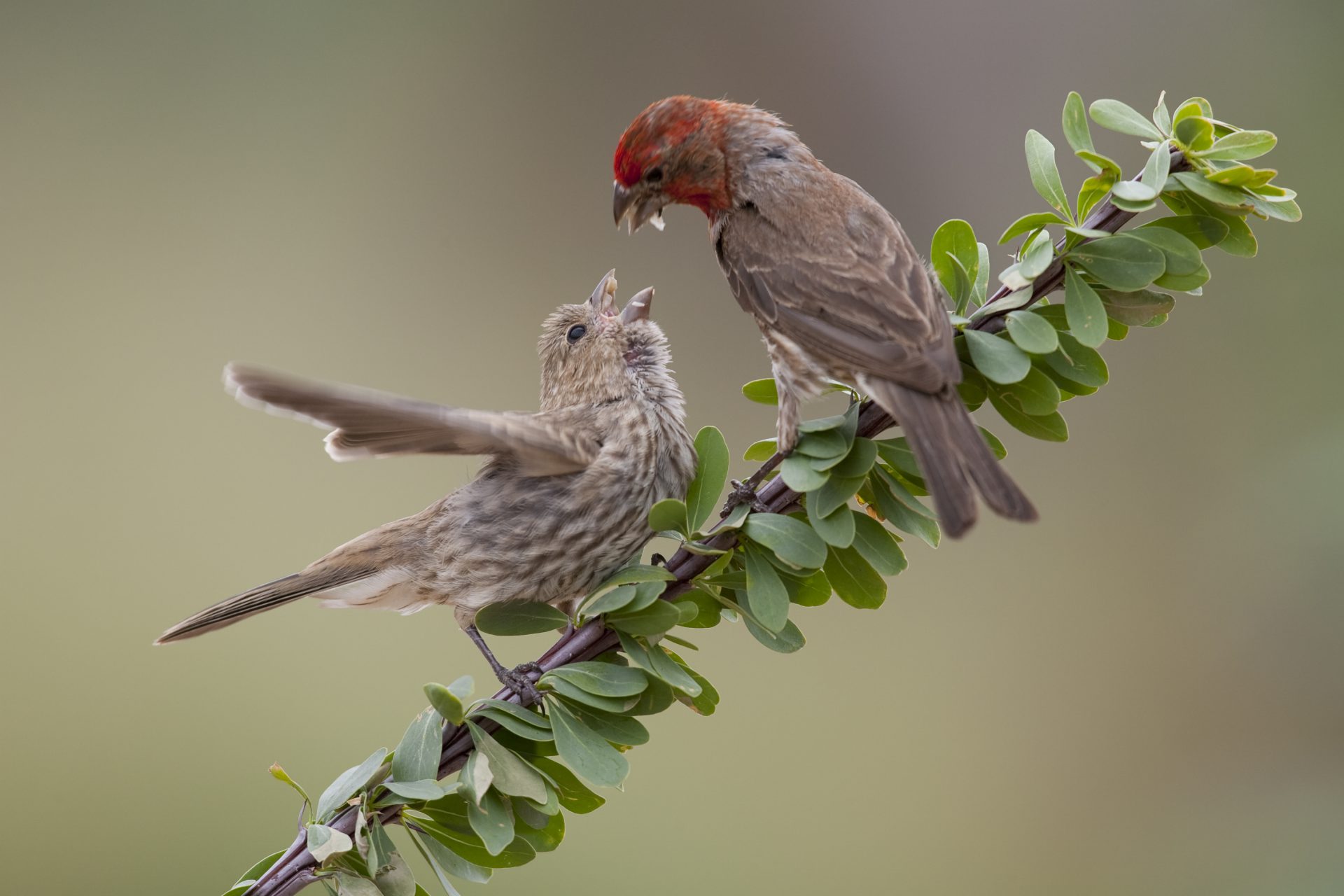
Credit: celebrateurbanbirds.org
Frequently Asked Questions
What Is The Difference Between A House Finch And A Red Sparrow?
House Finches have streaked bellies and conical beaks. Red Sparrows, often referring to American Tree Sparrows, have a central breast spot and smaller beaks.
How To Tell A Female House Finch From A Sparrow?
Female House Finches have streaked brown bodies and lack the bold markings of sparrows. They also have a longer, curved beak.
Are Red Headed Finches Rare?
Red-headed finches are not extremely rare. They are found in parts of Africa and are common in aviculture.
Are Finches And Sparrows The Same Bird?
No, finches and sparrows are not the same. They belong to different bird families. Finches have thicker beaks, while sparrows have slender beaks. Both birds differ in size, color, and habits.
Conclusion
Both the Red Headed Sparrow and the House Finch are fascinating birds. Each has unique traits that bird lovers cherish. The sparrow’s red head stands out in any garden. The finch, with its song, brings joy to many. Observing these birds can be a delightful hobby.
Learn their differences, and appreciate their beauty. Next time you see one, you’ll know which bird it is. Happy bird watching!
