
Michigan is home to a diverse array of birds. Whether you’re an avid birder or a casual observer, Michigan offers a rich birdwatching experience.
Birds of Michigan Field Guide provides valuable insight into the state’s avian life. This guide helps bird enthusiasts identify and understand the birds they encounter. With over 450 bird species recorded in Michigan, this field guide is essential for exploring the state’s natural beauty.
From the vibrant warblers in spring to the hardy wintering waterfowl, Michigan’s birds offer endless fascination. The guide covers habitats, migration patterns, and identifying features, making birdwatching accessible for everyone. Whether in forests, wetlands, or urban areas, Michigan’s birds are waiting to be discovered. Dive into the world of Michigan’s feathered friends and enrich your outdoor adventures.
Introduction To Michigan’s Birds
Michigan is a paradise for bird enthusiasts. With its diverse habitats, the state offers a rich variety of bird species. Each region has its own unique bird population. From the Great Lakes to dense forests, Michigan is home to many birds.
In this guide, you’ll learn about these incredible creatures. We’ll explore the diverse ecosystems they inhabit. You’ll also find tips for birdwatching in Michigan. Let’s dive into the fascinating world of Michigan’s birds.
Diverse Ecosystems
Michigan boasts a range of ecosystems. These include wetlands, forests, and grasslands. Each ecosystem supports different bird species. The wetlands are home to waterfowl like ducks and geese. Forests house songbirds and woodpeckers.
Grasslands attract birds of prey such as hawks. The Great Lakes provide habitats for gulls and terns. This variety makes Michigan a birdwatching haven. Every ecosystem has its own charm and unique bird species. Exploring these habitats can be a rewarding experience.
Birdwatching In Michigan
Birdwatching in Michigan is an exciting activity. The state offers numerous birding spots. Visit state parks, wildlife reserves, and nature trails. Each season brings different bird species. Spring and fall are ideal for spotting migratory birds.
Equip yourself with a good pair of binoculars. A field guide will also be helpful. Patience is key while birdwatching. Move quietly and observe from a distance. Capture the beauty of Michigan’s birds through your lens. Enjoy the serenity and thrill of birdwatching in this beautiful state.
Common Backyard Birds
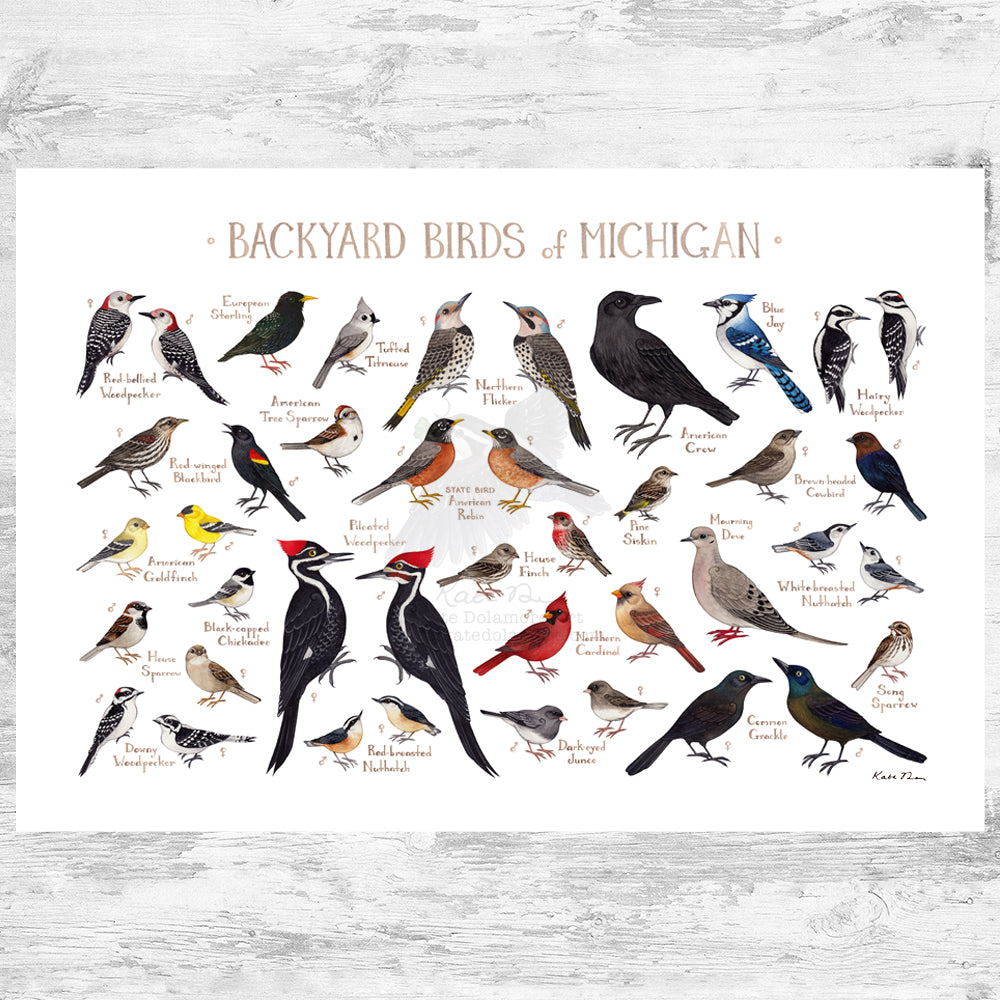
Birdwatching in Michigan can be a rewarding and relaxing hobby, especially when you can do it from the comfort of your own backyard. The state’s diverse habitats attract a wide variety of bird species, making it an excellent place for both novice and experienced birdwatchers. Understanding the common backyard birds can enhance your birdwatching experience and help you identify the feathered visitors to your garden.
Species To Look For
Michigan’s backyards are frequented by a delightful assortment of birds. One of the most common is the American Robin, easily recognizable by its bright orange belly and cheerful song. You’ll often see these birds hopping on the ground, hunting for worms.
The Northern Cardinal is another favorite. The males are bright red and impossible to miss, while females sport a more subdued, brownish-red hue. Their distinctive crests and sweet whistles add a splash of color and sound to your backyard.
Look out for the Black-capped Chickadee. These tiny birds are bold and curious, often coming close to feeders and humans. Their black cap and bib, along with their distinctive “chick-a-dee-dee-dee” call, make them easy to identify.
Feeding Tips
To attract a variety of birds, offer a range of foods. Black oil sunflower seeds are a favorite among many species, including cardinals and chickadees. Place feeders at different heights to cater to the preferences of different birds.
Keep your feeders clean. Dirty feeders can spread diseases among birds. Regularly clean them with a mild bleach solution and rinse thoroughly to ensure the health of your feathered visitors.
Add a water source. Birds need water for drinking and bathing, and a birdbath can attract species that might not visit your feeders. Make sure to keep the water fresh and clean.
Have you ever noticed a particular bird that always comes back to your yard? What kinds of food or features seem to attract it the most? Share your thoughts in the comments below, and let’s help each other create even more bird-friendly backyards!
Waterfowl And Wetland Birds
Explore the diverse waterfowl and wetland birds in Michigan with the Birds of Michigan Field Guide. This guide offers detailed descriptions and vivid images, making bird identification easy and enjoyable.
Waterfowl and wetland birds are a fascinating group of species that thrive in Michigan’s diverse aquatic ecosystems. These birds are not only interesting to observe but also play a crucial role in maintaining the health of wetlands. Whether you’re a seasoned birder or a curious beginner, Michigan offers a plethora of opportunities to witness these captivating creatures in their natural habitats.Habitats To Explore
Michigan boasts a variety of wetland habitats perfect for birdwatching. Coastal marshes along the Great Lakes are prime locations. These areas are teeming with life and offer great visibility for spotting waterfowl. Inland, you can visit the numerous ponds, lakes, and rivers. Each offers its own unique bird species. Don’t overlook smaller wetlands; they often host hidden gems. If you enjoy hiking, explore the trails around these water bodies. The combination of wooded areas and open water creates a dynamic birdwatching experience. Consider bringing a field guide and a pair of binoculars to make the most of your visit.Notable Species
Several waterfowl and wetland birds stand out in Michigan. The Trumpeter Swan, for example, is the largest native North American bird. Seeing one in the wild is a breathtaking experience. The Sandhill Crane is another notable species. Known for their distinctive calls and elaborate mating dances, they are a joy to watch. Pay attention to their long legs and red foreheads. Ducks like the Wood Duck and Mallard are also common. These species are often seen dabbling in shallow waters. Their vibrant plumage makes them easy to identify. Spotting these birds requires patience and keen observation. Look for them during early morning or late afternoon when they are most active. Have you ever experienced the thrill of spotting a rare bird? Share your stories and tips in the comments! By exploring these habitats and familiarizing yourself with the notable species, you can enrich your birdwatching adventures in Michigan. Happy birding!
Credit: www.barnesandnoble.com
Forest And Woodland Birds
Michigan’s forests and woodlands are a haven for a diverse array of bird species. Whether you’re an avid birdwatcher or just starting out, understanding the unique characteristics and conservation efforts of these birds can enrich your experience and help protect these incredible creatures.
Identifying Features
Forest and woodland birds often have distinct markings and behaviors that set them apart from other birds. For example, the vibrant Scarlet Tanager is known for its striking red plumage and melodious song.
The Pileated Woodpecker, with its large size and distinctive red crest, is another iconic woodland bird. These birds are easier to spot due to their unique calls and the noticeable holes they leave in trees.
Using a field guide, like the Birds of Michigan Field Guide, can help you identify these features more accurately. Take notes and photos to compare later—it can make a world of difference.
Conservation Efforts
Conserving forest and woodland birds involves protecting their habitats. Organizations like the Michigan Audubon Society work tirelessly to preserve the natural environments these birds need.
Efforts include reforestation projects, controlling invasive species, and creating bird-friendly spaces. You can participate by joining local conservation groups or simply planting native trees and shrubs in your backyard.
Imagine the joy of seeing a rare bird species thrive because of your efforts. Every small action counts—what will you do to help?
Grassland And Prairie Birds
Michigan’s grasslands and prairies are home to a variety of fascinating bird species. These open spaces are teeming with life, offering a unique glimpse into the world of birds that prefer wide, open habitats. In this section, we’ll explore some of the key species and their intriguing behaviors.
Open Space Species
Michigan’s grasslands and prairies host remarkable birds like the Eastern Meadowlark and Grasshopper Sparrow. The Eastern Meadowlark is known for its striking yellow breast and melodic song. Grasshopper Sparrows, on the other hand, are small and elusive, often blending into their surroundings.
Another notable mention is the Bobolink, easily identifiable by its unique plumage and bubbling song. You might also spot the Northern Harrier gliding gracefully above the fields, hunting for prey.
Behavioral Traits
Grassland birds exhibit fascinating behaviors adapted to their environment. Eastern Meadowlarks, for instance, build their nests on the ground, cleverly hidden among tall grasses. This helps protect their young from predators.
Grasshopper Sparrows are known for their distinctive buzzing calls, which sound surprisingly like insects. This can make locating them quite a challenge, adding to the excitement of birdwatching.
Bobolinks display striking migratory patterns, traveling thousands of miles between their breeding and wintering grounds. Observing their journey can be a rewarding experience.
Have you ever wondered how Northern Harriers hunt? They use their keen sense of hearing to detect prey in the grass, a skill not common among other raptors. This makes watching them even more captivating.
Engage with these birds by visiting Michigan’s grasslands and prairies. Take a field guide with you, and see how many species you can identify. You’ll be amazed at the variety and behaviors you witness. What’s your favorite grassland bird?
Birds Of The Great Lakes
The Great Lakes region is a haven for birdwatchers. The diverse habitats attract various bird species. From the sandy shores to the dense forests, each area offers unique birdwatching opportunities. The Birds of Michigan Field Guide covers these in detail.
Shoreline Species
The shorelines of the Great Lakes are bustling with bird activity. Species like the Piping Plover and the Common Tern are frequent visitors. These birds nest in sandy areas near the water. Their presence indicates a healthy shoreline ecosystem.
Another notable species is the Bald Eagle. Often seen soaring above the water, they hunt fish and small mammals. Their nests are usually in tall trees close to the shoreline.
Migration Patterns
The Great Lakes are a crucial stop for migrating birds. Many species use this area as a resting point during their long journeys. The lakes provide food and shelter, essential for their survival.
Warblers, for instance, migrate through this region in spring and fall. These small, colorful birds are a delight to watch. They feed on insects and can be seen flitting through trees.
Ducks and geese also follow migration routes through the Great Lakes. They often form large flocks, creating a spectacular sight. Observing their migration is a highlight for many birdwatchers.
Birdwatching Tips
Birdwatching is a delightful hobby that connects you with nature in a unique way. Michigan, with its diverse habitats, offers a splendid variety of birds to observe. Whether you’re a beginner or a seasoned birdwatcher, having the right tips can make your experience more enjoyable and fruitful.
Essential Gear
First things first, equip yourself with the right gear. A pair of good binoculars is a must. Look for ones with a magnification of at least 8x to get a closer view of those feathered friends.
Carry a field guide specific to Michigan birds. This will help you identify species on the spot. The “Birds of Michigan Field Guide” by Stan Tekiela is highly recommended.
Don’t forget to bring a notebook and a pen. Jotting down notes about the birds you spot can be both fun and useful. It also helps in keeping track of your sightings.
Best Viewing Times
Timing is everything in birdwatching. Early mornings are the best times to spot birds. They are more active and vocal around dawn.
Evenings can also be productive, especially during spring and fall migrations. Birds are often seen feeding before they settle for the night.
Consider the season too. Different birds migrate at different times of the year. Spring and fall offer the most diverse sightings as many species pass through Michigan.
Have you ever noticed how your surroundings change with the time of day? Birdwatching makes you more aware of these subtle shifts. So next time you step out, think about the time and season for a rewarding birdwatching experience.
Credit: wholesale.katedolamore.com
Conservation And Protection
Michigan is home to a stunning array of bird species. But their existence is threatened. Effective conservation and protection efforts are crucial.
Threats To Birds
Birds in Michigan face numerous threats. Habitat loss is a major issue. Urban development and deforestation reduce nesting and feeding areas.
Climate change is another significant threat. It disrupts migration patterns and breeding cycles. Extreme weather events can devastate habitats.
Human activities also pose risks. Pollution affects water and food sources. Illegal hunting and trapping further endanger bird populations.
How To Help
You can make a difference. Start by creating bird-friendly spaces in your yard. Plant native trees and shrubs. Provide clean water sources.
Support local conservation groups. Volunteer or donate. Participate in bird counts and surveys. Your involvement helps track bird populations.
Advocate for policies that protect bird habitats. Contact your representatives. Raise awareness in your community. Every voice matters.
Simple actions lead to big changes. Avoid using pesticides. Reduce your carbon footprint. Spread the word about bird conservation.
What steps will you take to protect Michigan’s birds?
Resources For Bird Enthusiasts
Birds of Michigan Field Guide offers detailed information on local bird species. Perfect for bird enthusiasts exploring Michigan’s diverse avian life. Discover habitats, behaviors, and identification tips in this essential resource.
If you’re a bird enthusiast in Michigan, you’re in luck. The state offers a treasure trove of resources to help you explore and enjoy its diverse avian population. Whether you’re a seasoned birder or just starting out, these tools and communities will enrich your experience. ###Field Guides
A reliable field guide is a birdwatcher’s best friend. The “Birds of Michigan Field Guide” by Stan Tekiela is a must-have. It includes detailed descriptions and vibrant photographs of over 120 species. This guide is user-friendly, with birds categorized by color to make identification easier. Consider also downloading birding apps like Merlin Bird ID. These apps offer instant identification and sound recognition, enhancing your birdwatching adventures. ###Local Birding Groups
Joining local birding groups can be incredibly rewarding. These communities offer a wealth of knowledge and shared experiences. The Michigan Audubon Society is a fantastic resource. They organize events, provide educational materials, and offer conservation opportunities. Look for local meetups or Facebook groups. These platforms can connect you with fellow birders and keep you updated on birding hotspots and sightings. Have you ever wondered what it would be like to share your birdwatching moments with a supportive community? Try joining one of these groups and see how it transforms your hobby.
Credit: www.amazon.com
Frequently Asked Questions
What Are Common Birds In Michigan?
Michigan is home to many bird species. Common birds include the American Robin, Northern Cardinal, and Blue Jay.
When Is The Best Time For Birdwatching In Michigan?
Spring and fall are the best times for birdwatching in Michigan. Migratory birds are abundant during these seasons.
How Can I Attract Birds To My Michigan Backyard?
To attract birds, use bird feeders with seeds. Plant native shrubs and provide fresh water sources.
What Equipment Do I Need For Birdwatching?
Basic birdwatching equipment includes binoculars, a field guide, and a notebook. Comfortable clothing is also important.
Conclusion
Exploring Michigan’s birdlife can be a rewarding experience. This field guide helps you identify local species. Enjoy birdwatching in parks, forests, and your backyard. Spot unique birds with ease. Capture their beauty through your lens. Share your findings with fellow bird enthusiasts.
Appreciate the diverse avian life in Michigan. Happy birdwatching!
