
Preventing chickens from flying can be a concern for many poultry keepers. Chickens that fly can escape their enclosures, leading to potential problems.
Chickens are known for their surprising ability to fly short distances. This can pose a challenge for those who wish to keep them safe and contained. Whether you are a backyard enthusiast or a small farm owner, it is important to understand how to prevent chickens from flying.
By addressing this issue, you can ensure your chickens stay safe and secure within their designated area. This blog post will provide you with practical tips and techniques to keep your chickens grounded. Let’s explore the methods to prevent your chickens from taking flight.
Choosing The Right Breed
Choosing the right breed of chicken is essential to prevent them from flying. Some breeds are naturally less inclined to take flight. Understanding the traits of different breeds can help you make an informed decision. This can save you time and effort in managing your flock. Here are some breeds and considerations to help you.
Flightless Breeds
Some chicken breeds are less likely to fly due to their size and temperament. The Brahma is a large breed that rarely takes off. Cochins are another good choice. They have heavy bodies and calm natures. Orpingtons are also known for their ground-loving habits. These breeds are ideal for those wanting to minimize flying.
Considerations For Selection
Consider the size of the chicken. Larger birds are less likely to fly. Evaluate their temperament too. Calm and docile breeds tend to stay grounded. Look into their history and behavior. Breeds known for meat production often stay on the ground. Think about your environment. Small spaces can encourage flying. Choose breeds that adapt well to confined spaces. Always research before making your final choice. Your effort will pay off with a happy, flightless flock.

Credit: www.youtube.com
Wing Clipping
Wing clipping is a common method to prevent chickens from flying. It is a safe and effective way to keep your flock grounded. By trimming the feathers on one wing, chickens lose balance, making flight difficult. This technique is humane and does not harm the birds.
Clipping Techniques
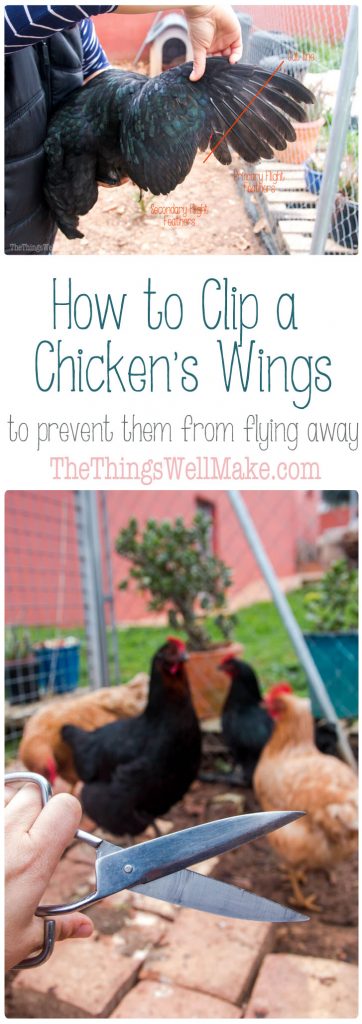
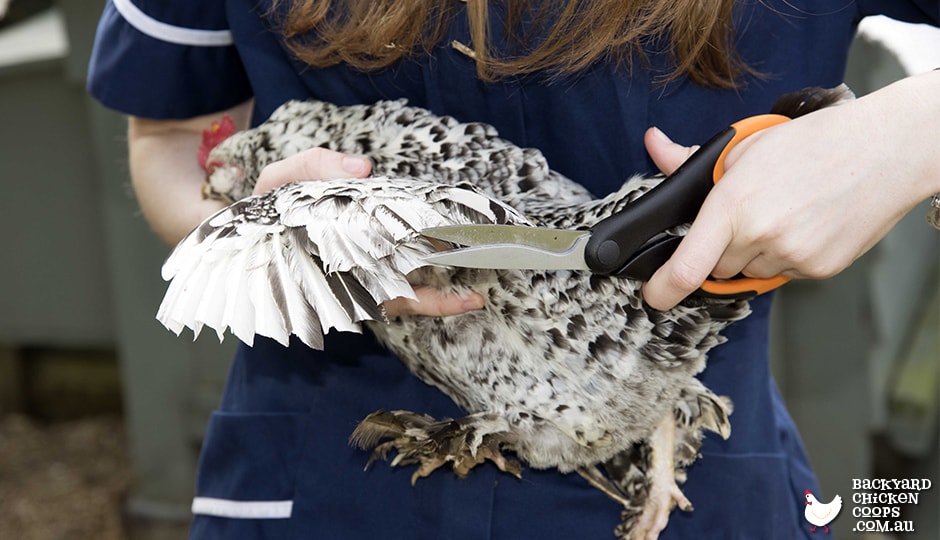
There are different methods for clipping wings. One popular way is to trim the primary feathers on one wing. These are the long feathers at the tip of the wing. Use sharp scissors and cut about halfway down the feather. Be careful not to cut too close to the bird’s skin.
Another method is to trim the secondary feathers. These feathers are closer to the body. This method is less common but can be effective. Always trim the feathers on one wing only. This ensures the chicken loses balance when trying to fly.
Safety Measures
Safety is important when clipping wings. First, make sure your scissors are clean and sharp. This prevents injury and ensures a clean cut. Hold the chicken firmly but gently. Keep the bird calm to avoid stress.
Inspect the feathers before trimming. Look for blood feathers, which are new feathers with a blood supply. Do not cut these feathers as it can cause bleeding. If unsure, consult a vet or experienced person.
After clipping, observe the chicken for any signs of distress or injury. Make sure the bird can move comfortably. Regular checks ensure the feathers are trimmed correctly and the bird remains healthy.
Building A Secure Coop
Preventing chickens from flying starts with a well-built coop. A secure coop keeps chickens safe and contained. It also prevents them from wandering off and getting lost or hurt.
Designing a chicken coop requires careful planning. You need to consider many factors to ensure it is safe and effective.
Coop Design
A good coop design includes sturdy materials. Use wood, metal, or strong plastic. Avoid flimsy materials. They can break easily and allow chickens to escape.
Ensure the coop has proper ventilation. Chickens need fresh air to stay healthy. Include windows or vents, but cover them with wire mesh. This keeps predators out.
Provide enough space for your chickens. Crowded chickens can become stressed. Aim for at least 2-3 square feet per chicken inside the coop.
Height Considerations
Height is crucial in preventing chickens from flying away. Build the coop tall enough so chickens cannot easily fly over the walls.
Aim for walls that are at least 6 feet high. Chickens can fly short distances, but high walls make it difficult for them to escape.
Consider adding a roof to the coop. This ensures chickens stay inside. It also offers protection from predators and harsh weather.
Use netting or wire mesh for the roof. It is cheaper and lightweight. Ensure it is securely attached to the walls.
Credit: thethingswellmake.com
Using Fencing
Preventing chickens from flying over your garden fence can be a common challenge for chicken owners. One effective method is using fencing. This approach not only keeps your chickens safe but also ensures they stay within the desired area. Let’s dive into the different types of fences and how to install them effectively.
Types Of Fences
Choosing the right type of fence is crucial. You can opt for a wire mesh fence, which is sturdy and durable. This type of fence is great for keeping chickens in and predators out.
Another option is using wooden fences. They add a rustic look to your garden and provide a solid barrier. However, chickens might still perch on them and fly over.
Electric poultry netting is also popular. This type of fence gives a mild electric shock if touched, teaching chickens to stay away from it. It’s portable and easy to set up, making it a flexible choice.
Effective Installation
Installing your fence correctly is just as important as choosing the right type. Start by measuring the area you want to fence in. Make sure you have enough materials to cover the entire perimeter.
When installing a wire mesh fence, ensure it’s tall enough. Chickens can easily fly over short fences. Aim for a height of at least 6 feet to prevent them from getting over.
For wooden fences, consider adding an angled top section. This makes it harder for chickens to land and perch, reducing the chances of them flying over.
If you use electric poultry netting, make sure it’s properly charged. Check the netting regularly for any breaks or faults. This ensures it remains an effective deterrent.
Have you ever thought about reinforcing the base of your fence? Digging a small trench and burying the bottom part of the fence can prevent chickens from digging their way out. This additional step can save you a lot of trouble in the long run.
What other challenges have you faced with your chickens? Share your experiences and tips in the comments below!
Creating A Distraction
Distracting chickens with food or toys can help keep them from flying away. It keeps them busy and content. Simple and effective, this method ensures your chickens stay grounded.
Keeping chickens can be a joy, but managing their flighty behavior might be a challenge. One effective method to prevent chickens from flying away is by creating a distraction. When chickens are entertained and engaged, they’re less likely to attempt flying over fences. This not only keeps them safe but also ensures they stay within your designated area.Entertainment Options
There are various ways to keep your chickens entertained. Consider adding perches and swings in their run. Chickens love to hop on and off these, and it keeps them busy. Scatter some grains or treats around the yard. This encourages foraging behavior and keeps them occupied for a good amount of time. You can also hang a cabbage or lettuce head from a string. They will peck at it, turning it into a fun game.Benefits Of Distraction
Distractions keep your chickens mentally stimulated. This reduces their desire to escape. Engaged chickens are less likely to develop bad habits like feather pecking. This leads to a healthier and happier flock. Lastly, a distracted chicken is less likely to become a target for predators. They stay closer to their safe zone, which adds an extra layer of protection. Have you tried any of these methods? What other distractions have worked for your flock?Training Techniques
Teach chickens not to fly over fences by clipping their wings. Use barriers like nets to keep them grounded. Train them with treats and positive reinforcement.
Training your chickens not to fly can save you a lot of headaches. It can prevent them from escaping and keep them safe from predators. You might think training chickens sounds impossible, but it’s actually quite achievable with the right techniques. Let’s dive into some practical strategies to help your chickens stay grounded.Consistent Training
Start by establishing a routine for your chickens. Consistency is key. Just like any other animal, chickens respond well to regular training sessions. Keep the training sessions short. Aim for 10-15 minutes each day. This keeps them from getting overwhelmed and helps them absorb the training better. Use simple commands. Chickens can learn basic instructions like “stay” or “come.” Be patient and repeat these commands regularly.Positive Reinforcement
Positive reinforcement works wonders. Reward your chickens when they follow your commands. You can use treats like mealworms or corn. Praise your chickens. Verbal praise like “good job” or gentle petting can reinforce their behavior. Chickens respond to positive attention. Avoid punishment. Negative reinforcement can cause stress and confusion. Focus on rewarding good behavior instead. Training chickens might not be as common as training dogs, but it’s just as effective. Have you tried training your chickens before? What methods worked best for you? By following these techniques, you’ll have well-trained chickens that stay safely in their coop.Monitoring And Maintenance
Monitoring and maintenance are crucial steps in preventing your chickens from flying. By staying vigilant and making necessary adjustments, you can ensure your chickens stay safe and grounded. Let’s delve into some practical steps to keep your flock in check.
Regular Checks
Regularly inspect your chicken coop for any gaps or holes. Chickens can find even the smallest openings to escape.
Check the height of your fencing. A fence that’s too low can be easily flown over.
Observe your chickens’ behavior. Are they trying to fly more often? This might indicate a need for adjustments.
Adjustments Over Time
As your chickens grow, their flying ability might change. Adjust the fencing height accordingly.
Trim the feathers on their wings periodically. This will help to keep their flight capabilities in check.
Consider adding netting or a roof to your coop. It provides an extra layer of security.
Have you noticed any other effective strategies for keeping chickens grounded? Share your experiences in the comments below. Your insights could help fellow chicken keepers!
Credit: www.backyardchickencoops.com.au
Frequently Asked Questions
How Do You Stop Chickens From Flying?
Clip their wings to prevent flight. Use a sharp pair of scissors and trim primary flight feathers. Ensure proper technique.
How To Make A Chicken Not Fly?
To prevent a chicken from flying, trim its wing feathers. Use sharp scissors and cut the primary flight feathers. This restricts their flight ability effectively.
How Do I Make Sure My Chickens Don’t Fly?
Clip their wings by trimming the primary feathers. Use proper technique to avoid injury. Enclose the coop with a secure, high fence.
How Do You Keep Flies Away When You Have Chickens?
Clean the coop regularly. Use fly traps and repellents. Keep feed covered. Remove manure frequently. Plant herbs like basil and mint.
Conclusion
Keeping chickens grounded requires simple steps. Clip their wings carefully. Build tall fences. Provide enough food and water. Offer shelter and roosting areas. Preventing flight helps manage your flock better. It ensures their safety and your peace of mind. Follow these tips for happy, healthy chickens.
Happy farming!
