
Yes, many birds reuse their nests. Some birds return each year to their old nests, while others build new ones.
Birds are fascinating creatures with diverse nesting habits. Understanding whether they reuse nests can be intriguing. Some birds, like eagles and swallows, may come back to the same nest, repairing and adding to it each season. Others, like robins, prefer to build a fresh nest each time.
The decision to reuse a nest depends on factors like the bird species, nest condition, and safety from predators. This practice can save time and energy for the birds, but it also comes with risks, such as parasites. Let’s explore the reasons behind these nesting choices and what influences them.
Bird Nesting Habits
Birds have unique nesting habits that vary across species. Some birds build new nests each season. Others reuse old ones. These habits depend on various factors. The type of bird, the environment, and the availability of materials all play a role.
Seasonal Patterns
Birds often follow seasonal patterns for nesting. Many birds build nests during spring. This is when food is abundant. The weather is also favorable. Some birds, like robins, may build several nests in one season. They raise multiple broods. Other birds, such as eagles, may use the same nest for many years. They make repairs as needed.
Nest Construction
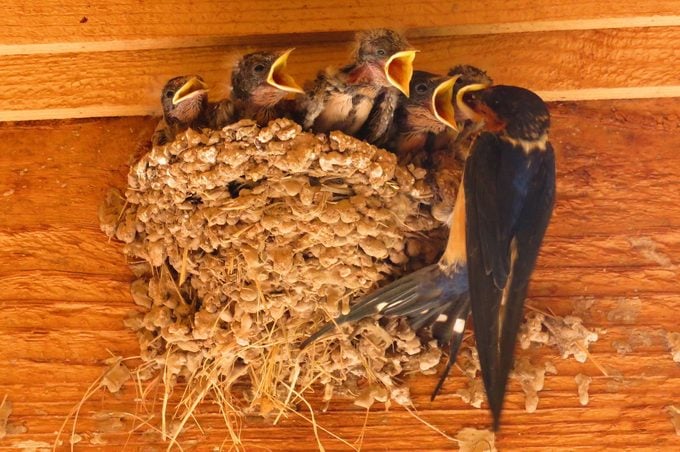
Nest construction varies widely among bird species. Some birds use twigs and leaves. Others use mud and grass. The materials chosen depend on what is available. Birds select safe locations for their nests. They often hide them from predators. Some birds build nests in trees. Others use the ground or cliffs. Each bird has its own strategy to protect its young.
Credit: www.birdsandblooms.com
Factors Influencing Nest Reuse
Birds exhibit fascinating behaviors when deciding whether to reuse a nest. Several factors influence this decision. These factors can impact their safety, comfort, and breeding success. Understanding these factors offers insights into avian nesting habits.
Predator Presence
Birds often assess the danger level around their nests. If predators are nearby, they may abandon the nest. This is a survival strategy. Safety is crucial for both the eggs and the adult birds. A nest in a predator-prone area poses too many risks. Birds will choose a safer location to increase their chances of survival.
Nest Condition
The condition of the nest plays a significant role. If the nest is damaged, birds may not reuse it. A sturdy nest is essential for protecting the eggs and chicks. Birds inspect nests for structural integrity. Worn-out nests might not provide the necessary support. Additionally, nests infested with parasites are less likely to be reused. Clean and well-maintained nests have a higher chance of being chosen again.
Species That Reuse Nests
Birds are fascinating creatures, and one of the intriguing aspects of their behavior is their nesting habits. You might wonder, do birds reuse their nests? The answer is not straightforward as different species have varying practices. Understanding which species are likely to reuse nests can give you a deeper appreciation of these feathered architects.
Common Reusers
Some bird species are known for frequently reusing their nests. For example, the Bald Eagle is a classic case. These majestic birds often return to the same nest year after year, adding new materials to it each season. This can result in enormous structures that weigh up to a ton.
Another common reuser is the Osprey. Ospreys build large nests on top of poles or trees, and they will use these nests for many years. They tend to add fresh materials each breeding season, making their nests sturdier over time.
Swallows, particularly Barn Swallows, also reuse their nests. They often return to the same spot, repairing any damage and making improvements. This behavior helps them save energy and time, which they can then invest in raising their young.
Rare Reusers
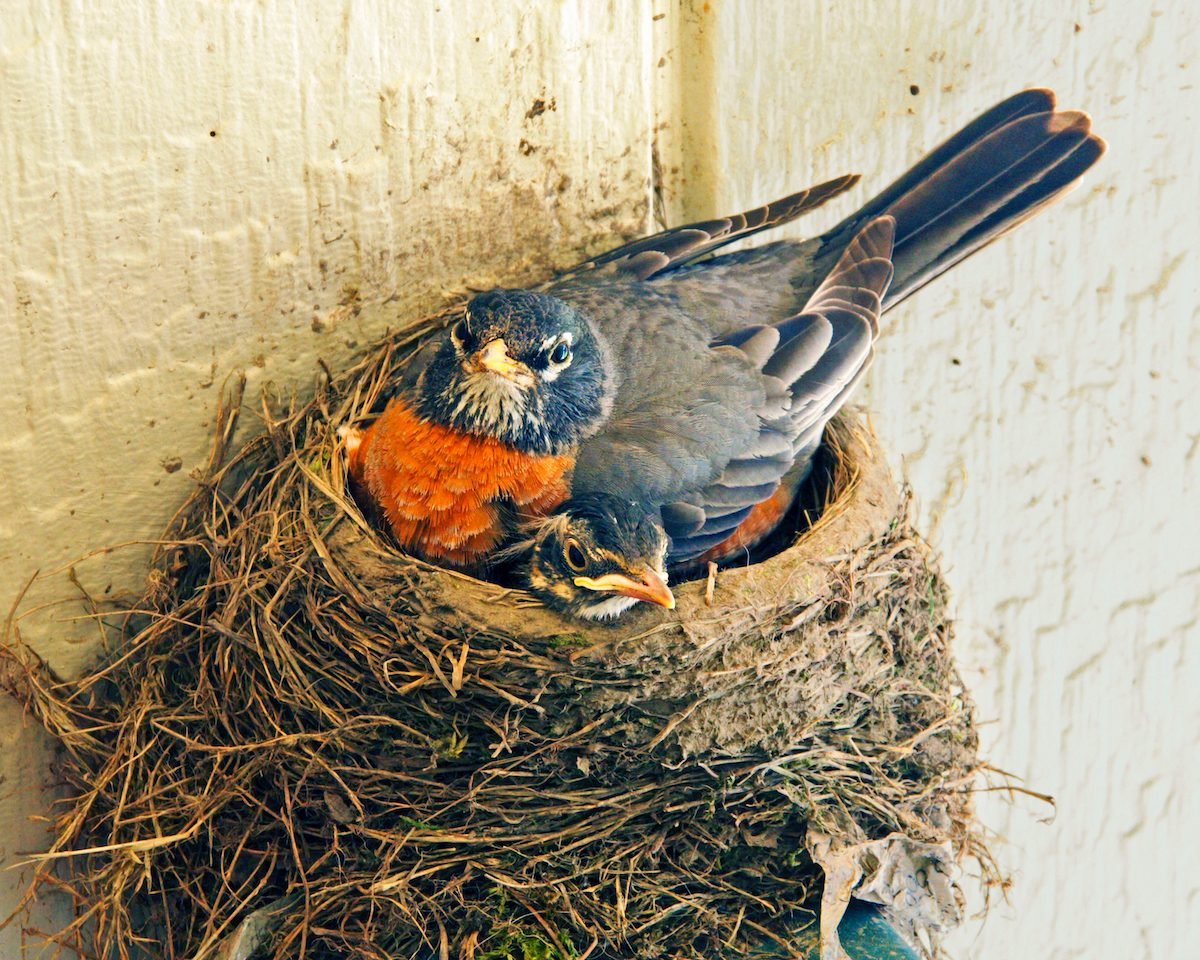
Not all birds are keen on reusing nests. For instance, many songbirds, such as the American Robin, build new nests each year. While they might use the same location, they prefer the freshness of a new nest.
The House Wren is another bird that rarely reuses a nest. They are known for building several nests in different locations before choosing the best one. This habit is believed to help them avoid predators.
Woodpeckers also typically do not reuse their nests. They prefer to excavate new cavities each season. This behavior benefits other species, as abandoned woodpecker nests often provide homes for other birds and small animals.
Have you ever noticed birds reusing nests in your yard? Understanding these habits can help you create a more bird-friendly environment. Which bird species do you find the most interesting in their nesting behavior?
Benefits Of Nest Reuse
Birds reusing nests can save time and energy for building new ones. This behavior also helps maintain a stable environment for future offspring.
When it comes to bird nests, one may wonder if birds reuse them. The benefits of nest reuse are numerous, offering both practical and survival advantages. By understanding these benefits, you can gain a deeper appreciation for the remarkable efficiency of our feathered friends.Energy Conservation
Birds expend a lot of energy building nests. Reusing a nest saves significant energy. Birds can use this saved energy for other crucial activities like feeding and caring for their young. Have you ever built a piece of furniture from scratch? Imagine doing that every year! Reusing nests is a smart way for birds to conserve precious energy.Time Efficiency
Building a nest from scratch can take days or even weeks. By reusing a nest, birds save valuable time. This time efficiency can be the difference between life and death. Quicker nesting means more time to focus on laying and incubating eggs. It also means they can avoid predators by not spending too much time in one place. Have you ever rushed to meet a deadline? Birds face similar pressures. Reusing nests helps them meet their “deadlines” more efficiently. So, next time you see a bird’s nest, consider its potential for reuse. How might this small act of recycling impact a bird’s survival?Risks Of Nest Reuse
Birds often reuse nests for various reasons. While it may seem convenient, there are risks involved. Reusing nests can impact the health and safety of birds. These risks include disease transmission and structural weaknesses of the nests.
Disease Transmission
Old nests can harbor parasites and pathogens. These can harm new chicks. Mites, fleas, and bacteria thrive in old nesting materials. These pests can spread diseases quickly. Birds using old nests may face serious health issues. Keeping nests clean is essential for bird health.
Structural Weakness
Old nests can become weak over time. Weather and use can damage the structure. A weak nest may not protect chicks properly. It can collapse or fall from trees. This puts the chicks at risk. Birds need strong, stable nests to keep their young safe.
Human Impact On Nesting
Human activities significantly impact bird nesting habits. Urbanization and conservation efforts play a crucial role in determining if birds will reuse a nest. Understanding these factors can help us create a more bird-friendly environment.
Urbanization Effects
Urbanization transforms natural habitats into cities and towns. This change affects bird nesting patterns. Birds may find fewer suitable places to build nests. Noise and pollution can drive them away from their usual nesting spots. Streetlights and traffic can confuse and disorient them. They might struggle to find food and shelter.
Some birds adapt to urban environments. They build nests on buildings, bridges, and other structures. Yet, many birds still face challenges. The constant presence of humans can cause stress. They may abandon their nests due to frequent disturbances. Urbanization can also lead to fewer trees and green spaces. This makes it harder for birds to find nesting materials.
Conservation Efforts
Conservation efforts aim to protect bird habitats. These efforts can help birds reuse their nests. Creating bird-friendly spaces in cities is essential. Planting native trees and shrubs provides shelter and food. Installing birdhouses offers safe nesting options.
Protected areas and wildlife reserves play a vital role. They offer safe spaces for birds to nest and raise their young. Reducing pollution and noise helps create a better environment for birds. Educating people about bird conservation is crucial. It encourages them to take steps to protect bird habitats.
Conservation efforts can make a difference. They help ensure birds have safe places to nest. By supporting these initiatives, we can help birds thrive.
Observing Nesting Behavior
Observing the nesting behavior of birds can be a fascinating experience. It helps you understand their habits, preferences, and even the challenges they face. Whether you are a seasoned birder or a curious newbie, there’s always something new to learn.
Field Studies
Field studies are an excellent way to observe birds in their natural habitat. Researchers spend hours, sometimes days, monitoring bird nests and recording data. This data helps in understanding if and how often birds reuse their nests.
For example, some species like the Bald Eagle are known to reuse and even expand their nests year after year. On the other hand, smaller birds like the American Robin often build a new nest each season.
Have you ever wondered why some birds reuse their nests while others don’t? Observing them closely in the field can provide answers. You might notice that environmental factors, availability of materials, and predation risks all play a role in their decisions.
Citizen Science
You don’t have to be a professional to contribute to bird studies. Citizen science projects allow bird enthusiasts to participate in data collection. This can involve anything from counting nests to noting whether they are reused.
Apps and websites make it easy to log your observations. These platforms often provide guidelines to ensure the data you collect is useful. Your contributions can help scientists track changes in bird behavior over time.
Have you ever participated in a citizen science project? If not, now might be the perfect time to start. It’s a rewarding way to connect with nature and contribute to scientific research.
Whether you’re out in the field or participating from your backyard, observing nesting behavior can be an eye-opening experience. You gain insights into the lives of birds and contribute to a broader understanding of their world.
Credit: www.birdsandblooms.com
Protecting Bird Nests
Birds sometimes reuse old nests, but many prefer building new ones each season. Reusing nests can attract parasites.
Bird nests are vital for the survival of many bird species. These nests provide shelter, a safe place for eggs, and a nurturing environment for chicks. Protecting bird nests ensures the continuity of bird populations. It also helps maintain the balance of ecosystems.Legal Protections
Many countries have laws protecting bird nests. These laws prohibit disturbing, moving, or destroying nests. In the United States, the Migratory Bird Treaty Act protects most bird species. This act makes it illegal to harm birds, their nests, or eggs. Violating these laws can lead to fines and other penalties.Community Actions
Communities can play a significant role in protecting bird nests. Educating people about the importance of nests is essential. Schools and local groups can organize bird-watching events. These events raise awareness and foster respect for birds. Installing birdhouses in yards can also help. This provides safe nesting sites and keeps birds away from predators. Reporting illegal activities to authorities is crucial. This ensures that those who harm bird nests face consequences. “`
Credit: dreamybirds.com
Frequently Asked Questions
What Birds Will Use An Abandoned Nest?
Various birds reuse abandoned nests. Species like house sparrows, starlings, owls, and some raptors commonly do this.
Do Birds Come Back And Use The Same Nest?
Yes, some birds return to the same nest each year. Species like swallows and eagles often reuse their nests.
Is It Ok To Remove Old Bird Nest?
Yes, you can remove old bird nests. Ensure no birds are currently using it and check local wildlife laws.
Do Mother Birds Remove Dead Babies From Nests?
Mother birds usually do not remove dead babies from nests. They focus on caring for the living chicks.
Conclusion
Birds may or may not reuse their nests. It depends on various factors. Many birds prefer building new nests each season. Some may repair and reuse old ones. Nest reuse can save time and energy. But, it also risks parasites and predators.
Observing birds’ nesting habits can be fascinating. It helps us understand their behavior better. Whether birds reuse nests or not, their nesting choices are important. They ensure the safety and survival of their young. So, watch and enjoy the marvel of bird nesting.
Nature always has lessons to teach.
