
Getting rid of a mockingbird can be tricky. They are protected by law.
So, direct harm is not an option. Mockingbirds are known for their loud, persistent singing. While their tunes can be enjoyable, they can become a nuisance. Especially when they sing at odd hours or disrupt your peace. If a mockingbird has settled in your yard, you may be wondering how to manage the situation.
This blog will guide you through some humane methods to deter these birds. You will learn safe and legal ways to encourage them to move on. By the end, you should have a peaceful yard again without any trouble from these vocal visitors.
Identifying Mockingbirds
To get rid of a mockingbird, try removing food sources from your yard. Use bird netting to protect plants. Reducing nesting areas also helps.
Identifying mockingbirds can be a bit tricky if you don’t know what to look for. These birds are common in many areas, and their behavior can be both fascinating and frustrating. Knowing how to identify them is the first step in managing their presence.Physical Characteristics
Mockingbirds have some distinct physical traits that make them easy to spot. They are medium-sized birds, roughly 10 inches in length. Their plumage is generally gray with a lighter underbelly. Look for the white patches on their wings and tail. These are most visible when the bird is in flight. Their beak is slightly curved, and their eyes are usually a bright yellow.Behavior Patterns
Mockingbirds are known for their unique behavior. They are highly territorial and will defend their area aggressively. If you see a bird diving at other animals or even people, it’s likely a mockingbird. One of their most notable traits is their song. Mockingbirds can mimic the sounds of other birds, insects, and even mechanical noises. They often sing both day and night, especially during mating season. Have you noticed a bird singing a variety of tunes in quick succession? That’s a strong indicator that you’re dealing with a mockingbird. Identifying these birds accurately can help you decide the best way to manage their presence. Have you experienced any unique mockingbird behaviors? Share your stories!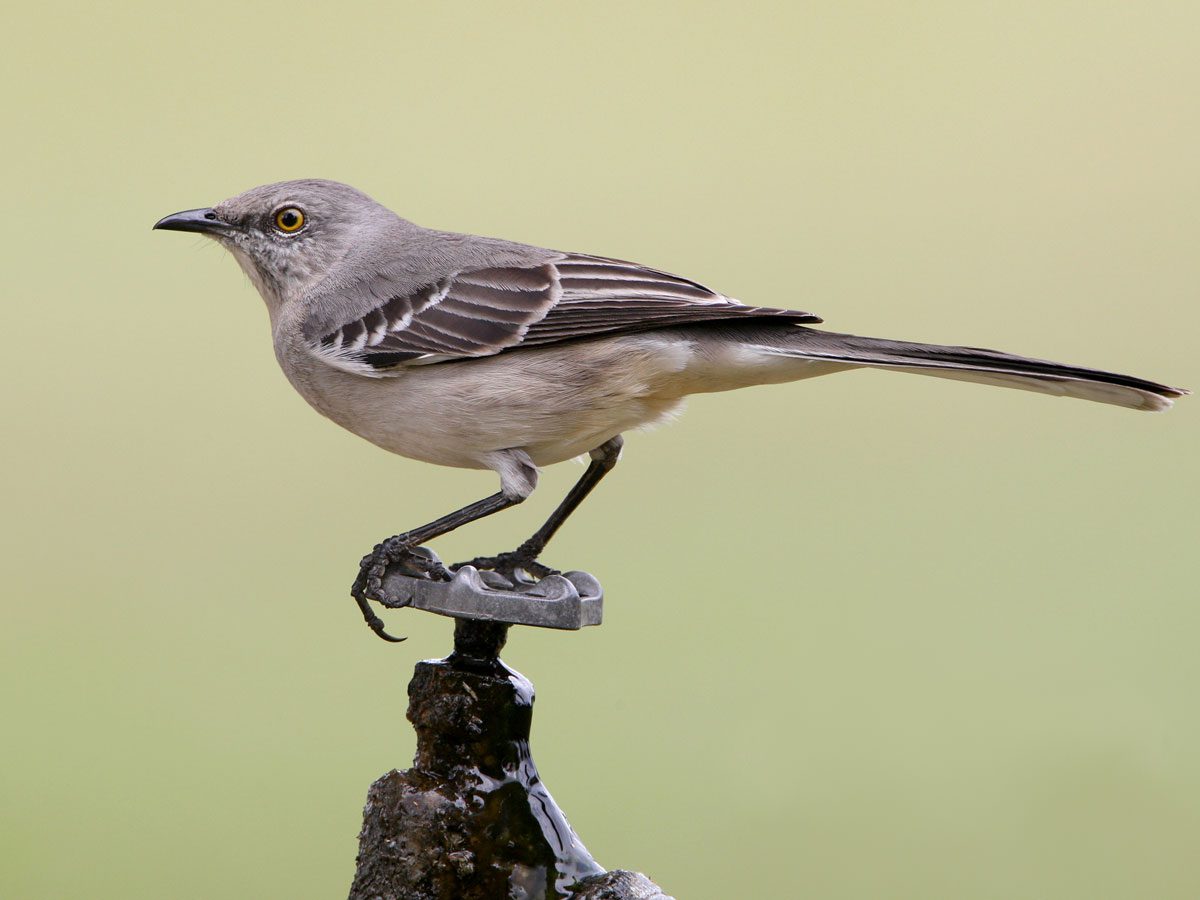
Credit: www.allaboutbirds.org
Why Mockingbirds Are Problematic
Mockingbirds can become a nuisance with their loud, repetitive songs. These birds often disrupt sleep and daily activities. Removing food sources and using bird repellents can help deter them.
Mockingbirds can be a real nuisance. Their loud calls can disrupt your peace and quiet. You might find them perched on your property, making it difficult to relax in your own space. But why are these birds so problematic?Common Issues
Mockingbirds are known for their relentless singing. Their calls can start as early as 4 a.m. and continue well into the night. It’s not just the volume; it’s also the variety of sounds they mimic. This can include car alarms, other bird species, and even machinery. Another issue is their territorial nature. Mockingbirds can be very aggressive during breeding season. They might dive-bomb pets and even humans to protect their nests. If you have kids playing outside, this can be particularly concerning.Impact On Property
Mockingbirds can also affect your property. Their droppings can stain outdoor furniture, cars, and even your home’s exterior. This can lead to frequent cleanings and potential damage over time. Additionally, these birds are known to peck at fruits and vegetables in gardens. If you have a garden, you might find that your produce is damaged or missing. This can be frustrating, especially if you’ve put a lot of effort into your garden. Are you tired of dealing with these issues? It might be time to take action.Legal Considerations
When dealing with a troublesome mockingbird, it’s essential to understand the legal considerations involved. Mockingbirds, like many wild birds, are protected by various laws. Ignoring these regulations can lead to hefty fines and even legal trouble. Let’s dive into the specifics to ensure you handle the situation correctly.
Protected Species
Did you know that the Northern Mockingbird is protected under the Migratory Bird Treaty Act? This federal law prohibits the harming, capturing, or killing of migratory birds. Yes, even the ones causing a ruckus in your backyard.
Removing or disturbing their nests, eggs, or chicks can also get you in trouble. The fines are no joke, reaching up to $15,000 per violation. So, before taking any drastic measures, consider non-lethal methods first.
Local Regulations
Aside from federal laws, your local area may have its own rules regarding wild birds. Some municipalities might have stricter regulations. Always check with your local wildlife agency or animal control.
In my neighborhood, we had to deal with noisy birds last summer. A quick call to animal control gave us all the information we needed. Turns out, there are specific times of the year when you can legally move nests.
Are you sure you know your local laws? A simple call or online search can save you from potential fines. Plus, it ensures that you are treating these creatures ethically.
Understanding these legal considerations not only keeps you out of trouble but also helps you find humane solutions. So, before you act, take a moment to research and comply with the laws. Your future self will thank you.
Habitat Modification
Modify the habitat to deter mockingbirds effectively. Trim dense bushes and remove food sources like fruits. Use bird netting to protect plants and discourage nesting.
Mockingbirds can be persistent and noisy neighbors. If you’re tired of their constant chirping and territorial behavior, habitat modification is a practical solution. By changing the environment around your home, you can make it less attractive to these birds.Removing Attractions
Start by identifying what draws mockingbirds to your yard. They love places with abundant food, water, and nesting sites. Remove bird feeders and bird baths temporarily. This will make your yard less appealing to them. Trim overgrown shrubs and trees. This reduces their hiding spots and nesting opportunities. Keep your garden tidy. Fallen fruits and seeds can attract mockingbirds, so make sure to clean up regularly.Creating Barriers
Physical barriers can deter mockingbirds from entering your space. Simple adjustments can make a big difference. Install bird netting over your garden or fruit trees. This prevents birds from reaching their desired spots. Use reflective materials. Hang shiny objects like CDs or aluminum foil strips. The reflections can scare birds away. Consider bird spikes for ledges and fences. These make it uncomfortable for birds to land and perch. By making these modifications, you can reclaim your peace and quiet. What changes will you make to your yard to keep the mockingbirds at bay?Use Of Deterrents
Deterrents help keep mockingbirds away from your yard. Consider installing reflective tape or using predator decoys to scare them off. Loud noises and water sprays can also be effective in deterring these birds.
When dealing with a pesky mockingbird, the use of deterrents can be a practical and humane way to encourage them to move on. Deterrents are tools or methods designed to discourage the bird from frequenting your space. Let’s explore two effective types: visual and auditory deterrents.Visual Deterrents
Visual deterrents can be simple yet effective. They rely on the bird’s natural instincts to avoid danger. You can use reflective objects like old CDs or aluminum foil strips. Hang them around your yard where the bird often perches. The sunlight reflecting off these items creates a dazzling effect that can discourage the bird from staying. Another option is to place plastic predators like owls or hawks. These decoys can intimidate the mockingbird, making it believe there’s a threat nearby.Auditory Deterrents
Auditory deterrents use sound to deter mockingbirds. This can be more engaging and sometimes more effective than visual methods. Consider using wind chimes. Their unpredictable sounds can confuse and scare away the mockingbird. Plus, wind chimes add a pleasant ambiance to your yard. You can also play recordings of predator calls. Just ensure that the volume isn’t too high to avoid disturbing your neighbors. This method mimics the natural environment of the bird and can make it uncomfortable to stay. Have you tried these methods before? Which worked best for you? Share your experiences and join the conversation!Natural Predators
Mockingbirds can be a nuisance in your yard, but attracting natural predators might help. Natural predators can keep the mockingbird population in check. They provide a balanced way to manage these birds without harming them. Let’s explore how you can attract these predators and what safety concerns to consider.
Attracting Predators
Predators like hawks and owls can help control mockingbirds. Hawks are daytime hunters. Owls hunt at night. Both can keep mockingbirds away. To attract hawks, you can set up a perch in your yard. This gives hawks a place to watch for prey. For owls, install an owl box. Place it high in a tree or on a pole.
Snakes are another natural predator. They can eat mockingbird eggs and chicks. Snakes are harder to attract, but having a natural, unkempt area can help. This gives snakes a place to hide and hunt. Cats are also effective. They can chase away or catch mockingbirds. Be cautious with outdoor cats, as they can harm other wildlife.
Safety Concerns
While attracting predators can help, it comes with risks. Hawks and owls may prey on other small animals in your yard. Pets like small dogs or cats can be at risk. Always monitor your pets when they are outside. Snakes can also pose a threat. They might bite if they feel threatened. Ensure children understand not to approach snakes.
Cats can harm birds, not just mockingbirds. They might kill other songbirds or small animals. Consider using deterrents like bells on their collars. This warns birds of their presence. Always weigh the benefits and risks before attracting predators. It’s important to keep both wildlife and your family safe.
Humane Trapping
Humane trapping is an effective way to deal with a pesky mockingbird. It ensures the bird is captured safely and can be released back into the wild. This approach respects wildlife and helps maintain a balanced ecosystem.
Types Of Traps
There are various traps available for humane bird catching. One common type is the cage trap. This trap uses bait to lure the mockingbird inside. Once inside, the door closes gently, trapping the bird without harm.
Another option is the funnel trap. This trap allows the bird to enter but makes it hard to exit. It is often used for small birds, making it ideal for mockingbirds. Both traps are easy to set up and use at home.
Release Strategies
After capturing a mockingbird, release it in a safe area. Choose a location away from your home to prevent the bird from returning. A park or a wooded area can be a good choice.
Ensure the release area has plenty of food and water sources. This helps the bird adjust to its new environment. Open the trap gently to let the bird fly out freely.
By using humane trapping and careful release, you can remove a mockingbird without causing harm. This method benefits both you and the bird.

Credit: www.youtube.com
Professional Help
Need help with a troublesome mockingbird? Professional services can offer effective solutions to remove these birds safely. Expert assistance ensures the problem is handled humanely and efficiently.
### Professional Help Sometimes, dealing with a pesky mockingbird on your own can be challenging. This is where professional help comes into play. Let’s dive into how hiring wildlife experts can make a difference and what you should consider in terms of cost.Hiring Wildlife Experts
Hiring wildlife experts can be a game-changer. These professionals have the knowledge and tools to handle birds humanely and effectively. Wildlife experts can assess your situation quickly. They know the habits and behaviors of mockingbirds, which allows them to create a targeted plan to remove the bird from your property. I once had a mockingbird that wouldn’t stop singing near my bedroom window. After weeks of sleepless nights, I decided to hire a professional. The expert used humane traps and relocated the bird to a more suitable environment. Would you rather spend days trying different methods or let an expert handle it efficiently?Cost Considerations
Cost is a significant factor when deciding to hire a wildlife expert. It’s essential to know what to expect financially. The costs can vary widely based on your location and the complexity of the situation. On average, you might spend between $100 to $300 for a professional service. Some companies offer a free initial assessment. This can help you understand the situation better without any financial commitment. Wouldn’t it be worth investing in a good night’s sleep and peace of mind? Hiring a professional can save you time and stress. Plus, they ensure the job is done right the first time.Preventive Measures
Scare mockingbirds away by placing decoy owls or hawks in your yard. Trim trees and bushes to remove nesting spots. Use reflective objects to deter them from settling.
Preventive measures can help you avoid the hassle of dealing with a persistent mockingbird. By taking proactive steps, you can make your surroundings less attractive to these noisy visitors. Let’s look at some effective strategies to keep mockingbirds at bay.Long-term Solutions
Creating an environment that mockingbirds find unappealing can be a game-changer. Trim back dense shrubbery and tall trees where they like to nest. This reduces their hiding spots and nesting areas. Install bird spikes or netting on ledges and other surfaces where mockingbirds like to perch. These barriers discourage them from settling in your space. Invest in ultrasonic bird repellers. These devices emit sounds that are irritating to birds but inaudible to humans, keeping the birds away without disturbing you.Community Efforts
Sometimes, working with your neighbors can make a huge difference. Discuss the issue with your community and share your strategies. A collective effort can amplify the results. Organize a neighborhood clean-up to remove food sources and nesting materials. This makes the area less attractive to mockingbirds. Consider setting up a community bird control program. By pooling resources, you can invest in more effective solutions like professional bird control services. Have you ever thought about how your environment can attract or deter birds? Small changes can have a significant impact. What steps can you take today to make your space less inviting to mockingbirds? Preventive measures, both individually and as a community, can help you live peacefully without the constant chatter of mockingbirds. Start small and stay consistent.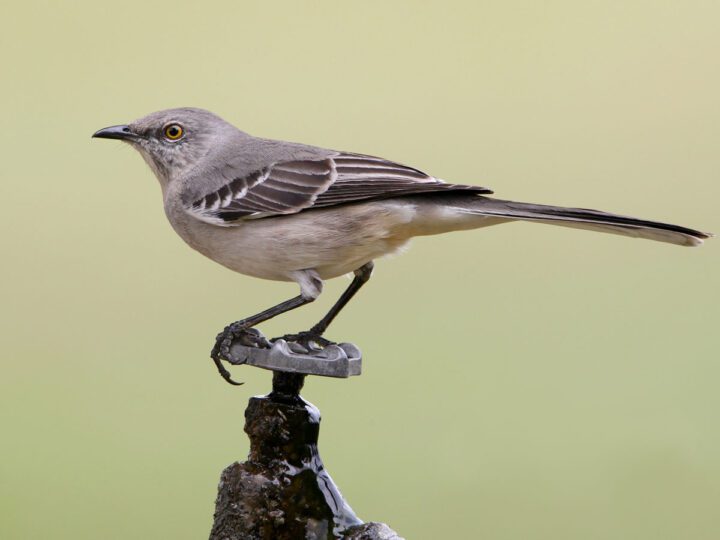
Credit: www.allaboutbirds.org
Frequently Asked Questions
How To Get Mockingbirds To Leave?
To get mockingbirds to leave, remove food sources, use bird deterrents like shiny objects or noise, and trim trees.
How To Get Mockingbird To Shut Up?
Play soft music or white noise to mask the sound. Use bird-safe deterrents like shiny objects or decoy owls.
What Attracts Mockingbirds?
Mockingbirds are attracted to open spaces, fruit-bearing plants, and water sources. They enjoy dense shrubbery for nesting.
Will A Fake Owl Keep Mockingbirds Away?
A fake owl may deter mockingbirds temporarily. Mockingbirds might eventually realize it’s not a threat. Regularly move the owl for better results.
Conclusion
Getting rid of a mockingbird takes patience and strategy. Use humane methods. Keep your yard clean and free of food scraps. Scare devices can work well. Try sound or visual deterrents. Cover plants and trees where they nest. Consult local wildlife experts if needed.
Stay consistent and proactive. Your peace and quiet will return soon.
