
Getting rid of seagulls can be challenging. They are persistent and clever birds.
Seagulls can cause problems, especially in coastal areas. They make noise, leave droppings, and sometimes even attack people for food. These birds are protected by laws, so finding a solution is tricky. But don’t worry. There are ways to handle them safely and legally.
In this guide, you will learn effective methods to keep seagulls away from your property. Whether it’s your home, business, or a public space, these tips will help you reclaim your area. No more seagull troubles. Let’s get started.

Credit: www.insight-security.com
Identify Seagull Habits
Seagulls can be a nuisance, especially in coastal areas. Understanding their habits is crucial to effectively manage their presence. By identifying their common behavior patterns and knowing their feeding and nesting areas, you can take steps to deter them.
Common Behavior Patterns
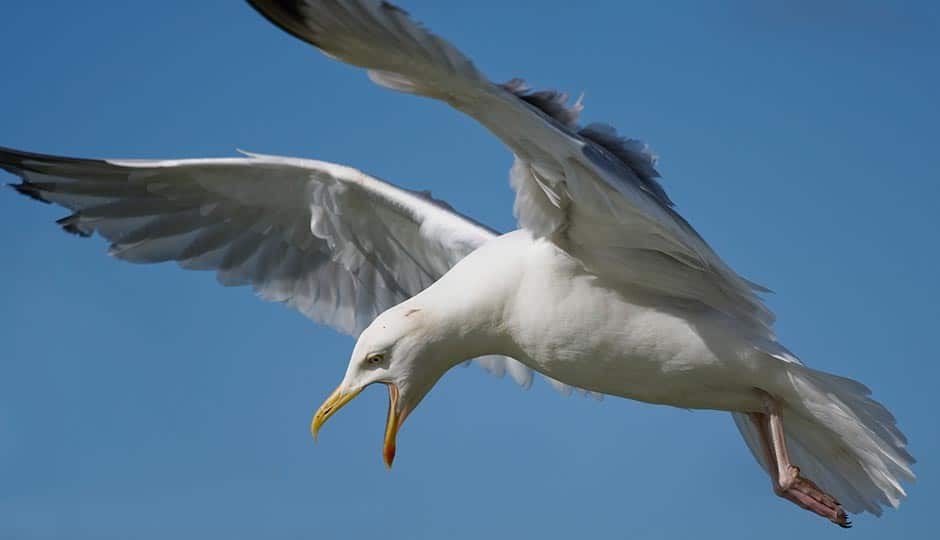
Seagulls are intelligent and social birds. They often gather in large flocks. They are known for their loud calls and aggressive behavior. They can be particularly bold when searching for food. Seagulls are opportunistic feeders, taking advantage of easy food sources. They can adapt quickly to changes in their environment.
Feeding And Nesting Areas
Seagulls prefer to feed in areas where food is abundant. This includes beaches, parks, and urban areas. They are scavengers, often seen around trash bins and food waste. Seagulls also frequent fishing docks and markets, looking for scraps.
Nesting sites are usually on flat rooftops, cliffs, and islands. They choose places that provide safety from predators. Understanding these areas can help you implement deterrent measures. Knowing their nesting habits can also help in planning bird control strategies.
Credit: integrumservices.co.uk
Remove Food Sources
Keep seagulls away by removing food sources. Clean up spills and crumbs. Dispose of trash properly.
Getting rid of seagulls can be a challenging task, but one of the most effective strategies is to remove their food sources. Seagulls are opportunistic feeders and will return to areas where they find easy food. By eliminating these food opportunities, you can significantly reduce their presence. Let’s dive into some practical steps you can take.Secure Trash Bins
Seagulls are notorious for scavenging through trash bins. Make sure your trash bins have tight-fitting lids. If necessary, use bungee cords or locks to keep the lids secure. Place trash bins in areas that are not easily accessible to seagulls. If you live in an area with a high seagull population, consider investing in seagull-proof bins. Regularly clean the areas around your trash bins to avoid leaving any food scraps or spills. This will make your area less attractive to seagulls.Avoid Feeding Them
Never feed seagulls, even if it’s tempting to toss them a scrap. Feeding them encourages them to return and can lead to aggressive behavior. Educate your family, friends, and neighbors about the importance of not feeding seagulls. Explain how feeding them can cause problems for everyone in the community. When you’re eating outdoors, keep your food covered and dispose of leftovers properly. This simple habit can make a big difference in deterring seagulls. Have you noticed any specific locations where seagulls gather in your area? Target these spots with your efforts to remove food sources, and you’ll likely see a reduction in their numbers.Use Physical Deterrents
Seagulls can be a nuisance. They can damage property, spread disease, and create noise. To get rid of them, use physical deterrents. These methods are effective and humane.
Bird Spikes
Bird spikes are an excellent choice. They prevent seagulls from landing. Install spikes on ledges, roofs, and signs. The spikes are not harmful. They simply make the surface uncomfortable. Seagulls will find another place to perch.
Netting Solutions
Netting solutions are also effective. They keep seagulls from accessing certain areas. Use nets to cover courtyards, balconies, and gardens. The nets are durable and weather-resistant. They are a long-term solution. Seagulls cannot get through the netting. This keeps them away from your property.

Credit: aviancontrolinc.com
Employ Visual Scare Tactics
If you’re struggling with pesky seagulls invading your space, employing visual scare tactics can be a highly effective solution. Seagulls are smart, but they can be easily startled by the right visual deterrents. Let’s dive into some practical methods to scare these birds away, focusing on reflective objects and predator decoys.
Reflective Objects
Reflective objects can be a fantastic way to deter seagulls. The sudden flashes of light can confuse and scare them.
A simple method is to hang old CDs or aluminum foil strips around your property. The light reflections create an unsettling environment for the birds.
Another option is to use reflective tape. Attach the tape to railings, roofs, or any area where seagulls like to land. The tape moves with the wind, adding an extra layer of unpredictability.
Have you ever noticed how scarecrows are often dressed in shiny materials? It’s the same principle. Reflective objects create a visual disturbance that makes seagulls think twice before landing.
Predator Decoys
Seagulls are naturally wary of predators. Placing decoys of their natural enemies can keep them at bay.
Owls, hawks, and even larger birds of prey make excellent decoys. You can find realistic-looking predator decoys at garden centers or online stores.
Position these decoys in strategic locations like rooftops or garden posts. Move them occasionally to keep the seagulls guessing.
One summer, I placed an owl decoy on my balcony. The seagulls that usually nested there avoided the area entirely. It was a simple yet effective solution.
Have you tried using predator decoys or reflective objects to deter seagulls? What worked best for you? Share your experiences in the comments below!
Employing visual scare tactics can be a game-changer in your battle against seagulls. With a bit of creativity, you can reclaim your space and enjoy a seagull-free environment.
Sound-based Deterrents
Seagulls can be a nuisance, especially in coastal areas. Sound-based deterrents offer an effective way to keep them away without causing harm. These methods use specific sounds that seagulls find unpleasant or alarming. Let’s explore some common sound-based deterrents.
Ultrasonic Devices
Ultrasonic devices emit high-frequency sounds. These sounds are inaudible to humans but can irritate seagulls. Place these devices around your property. They can cover a wide area. The constant sound discourages seagulls from nesting or gathering.
Many ultrasonic devices are weatherproof. This makes them suitable for outdoor use. They are also energy-efficient. Some models come with solar panels, reducing the need for batteries.
Distress Calls
Distress calls mimic the sounds of seagulls in danger. These calls alert other seagulls to stay away. You can find devices that play these calls automatically. They can be set up in problem areas.
Distress call devices are easy to install. They can be hung from trees or placed on buildings. Make sure to move them occasionally. This prevents seagulls from getting used to the sound.
Chemical Repellents
Chemical repellents can help get rid of seagulls by making areas unappealing to them. These repellents irritate their senses, encouraging them to leave. Safe and effective, they work well in various environments.
Seagulls can be a real nuisance, especially when they invade your property and create a mess. One effective method to deter these pesky birds is by using chemical repellents. These products can be a lifesaver, but it’s crucial to understand how to use them safely and effectively.Safe Bird Repellents
When choosing chemical repellents, opt for those labeled as safe for birds and the environment. Products containing methyl anthranilate are a popular choice. This compound is a harmless grape extract that irritates birds without causing them harm. Look for non-toxic options that won’t affect other wildlife or pets. Citronella-based repellents are another good option. They work by emitting a scent that seagulls find unpleasant, encouraging them to leave the area. Always read the labels carefully before purchasing. Ensure the product is intended for outdoor use and is appropriate for the size of the area you want to protect.Application Tips
Applying chemical repellents correctly is key to their effectiveness. Start by cleaning the area thoroughly. Seagulls are attracted to food scraps and garbage, so remove any potential food sources. Spray the repellent evenly across the problem area. Cover surfaces where seagulls tend to land or roost. For example, rooftops, ledges, and railings are common spots. Reapply the repellent regularly, especially after rain. Most products require reapplication every few weeks to maintain their effectiveness. Consider combining chemical repellents with other deterrents like visual or auditory devices for better results. A multi-faceted approach often works best to keep seagulls at bay. Have you tried using chemical repellents before? What was your experience like? Share your thoughts in the comments below!Professional Help
Professional help can effectively reduce seagull problems. Experts use safe methods to move these birds away from your property. This ensures a peaceful, gull-free environment.
If seagulls have taken over your property and DIY methods aren’t working, you might want to consider getting professional help. Professionals bring expertise and specialized tools to handle the situation effectively. They can offer both immediate relief and long-term solutions.Hiring Pest Control
Hiring pest control services can be a game-changer. These experts know how to assess the extent of your seagull problem and implement effective strategies. They use humane methods to deter seagulls, ensuring no harm comes to the birds. For instance, pest control companies often use bird spikes, nets, and sound devices. These tools discourage seagulls from nesting and roosting on your property. You’ll notice a difference almost immediately once these measures are in place. When choosing a pest control service, look for companies with good reviews and reasonable pricing. Check if they offer follow-up visits to ensure the seagulls don’t return. It’s a small investment for a seagull-free environment.Long-term Solutions
Pest control services can also offer long-term solutions. They might suggest installing bird deterrents like spikes or nets permanently. These prevent seagulls from landing and nesting on your property. Another long-term solution is using bird gels or liquids. These are non-toxic substances that make surfaces sticky or slippery, deterring seagulls from landing. They are safe for the environment and effective for years. Consider asking pest control professionals about routine maintenance. Regular checks and treatments can keep seagulls at bay permanently. This proactive approach saves you from future headaches and expenses. Have you ever thought about what continuous seagull control looks like? Imagine not having to deal with their mess or noise ever again. Professional help could make this a reality for you.Legal Considerations
Obtaining permits is crucial before taking action to remove seagulls. Research local wildlife protection laws to avoid penalties. Always consult with a legal expert to ensure compliance.
### Legal Considerations When dealing with seagulls, it’s crucial to understand the legal considerations involved. Seagulls are often protected by various wildlife laws, and failing to adhere to these regulations can result in hefty fines. Let’s break down some key aspects under local wildlife laws and permits and regulations.Local Wildlife Laws
Local wildlife laws vary significantly depending on where you live. Some regions have strict protections in place for seagulls, while others may offer more leniency. For example, in coastal areas, seagulls are often considered essential for the ecosystem and are protected by law. Before taking any action, check with your local wildlife authority to understand what rules apply. Ignoring these laws can lead to substantial penalties. It’s not just about avoiding fines; it’s also about ensuring that your actions don’t harm the local environment.Permits And Regulations
In some cases, you may need a permit to manage seagulls, especially if you plan to use any deterrent methods. These permits ensure that your approach is humane and complies with local regulations. For instance, using certain types of bird repellents or traps may require special authorization. Always verify whether your method of choice needs a permit. Obtaining a permit often involves a straightforward application process, but it’s essential to plan ahead. Reach out to your local wildlife office for guidance on how to proceed. Have you ever considered the implications of taking action without proper permits? Besides legal repercussions, it could also harm the birds and disrupt the ecosystem. Always prioritize legal and ethical methods when dealing with seagulls.Frequently Asked Questions
What Do Seagulls Hate The Most?
Seagulls hate strong, unexpected noises. They dislike loud bangs, fireworks, and sudden loud disturbances. They also avoid shiny, reflective surfaces.
Is There Any Way To Get Rid Of Seagulls?
To get rid of seagulls, remove food sources and secure trash bins. Use bird deterrents like spikes, nets, or decoys.
What Is The Best Gull Deterrent?
Bird spikes are the best gull deterrent. They prevent gulls from landing on surfaces, making them effective and humane.
What Is The Best Seagull Scarer Outdoor?
The best outdoor seagull scarer is the Bird-X BirdXPeller Pro. It uses sound to effectively deter seagulls.
Conclusion
Dealing with seagulls can be challenging, but it is possible. Use the tips shared above to keep them away. Consistent efforts will yield results. Try different methods to find what works best. Always stay patient. Seagull control requires persistence. Protect your space and enjoy a seagull-free environment.
Thank you for reading, and good luck!
