
Swallows often build nests on homes and buildings. This can cause problems.
Their nests can damage property and create messes. So, how can you keep swallows from building nests? Swallows are beautiful birds, but their nesting habits can be troublesome. They often choose cozy spots under eaves or on ledges, leading to unsightly droppings and potential property damage.
Homeowners and property managers might find this both annoying and costly. Understanding the reasons swallows pick certain spots for nesting can help you take steps to prevent it. By learning effective methods, you can enjoy the beauty of swallows without the mess. This guide will provide simple, practical tips to keep swallows from turning your property into their nesting site.
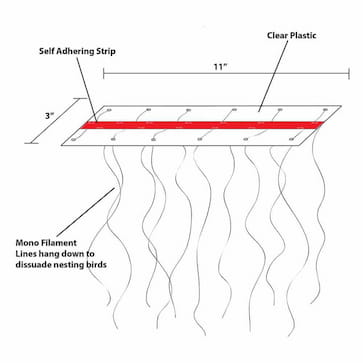
Credit: www.birdbgone.com
Introduction To Swallows And Nesting
Swallows are small, migratory birds known for their graceful flight and unique nesting habits. These birds often choose man-made structures for building their nests. This can create challenges for homeowners. Understanding swallows and their nesting preferences can help in managing these birds effectively.
Swallow Species Overview
There are several species of swallows, each with distinct characteristics. The most common in North America are the Barn Swallow, Cliff Swallow, and Tree Swallow. Barn Swallows have blue backs and orange underparts. Cliff Swallows have square tails and pale rumps. Tree Swallows are iridescent blue-green on top with white underparts.
Nesting Habits And Preferences
Swallows are known for their mud nests. They often build these nests on vertical surfaces. Barn Swallows prefer ledges or beams inside buildings. Cliff Swallows build nests under the eaves of buildings or bridges. Tree Swallows, on the other hand, use cavities in trees or nest boxes.
These birds return to the same nesting sites each year. They are highly territorial and protective of their nests. Understanding their nesting habits can help in preventing them from settling in unwanted areas.
Identifying Nesting Areas
Swallows often choose specific spots to build their nests. Knowing where they prefer can help prevent them from nesting. Look for areas they frequently use and take action to deter them.
Common Locations
Swallows like to build nests in sheltered places. Under eaves, balconies, and porch ceilings are favorite spots. They also prefer areas near water or fields. Identifying these locations early can help you take steps to discourage them.
Signs Of Nest Building
Spotting early signs can help stop swallows before they start building. Look for mud pellets or grass near potential nesting sites. Swallows also leave droppings below the nesting areas. Watch for increased bird activity around these spots. Early detection is key to preventing nests.
Physical Barriers And Deterrents
Prevent swallows from nesting by installing bird spikes or netting. These physical barriers deter birds from landing and building nests.
Keeping swallows from building nests can be challenging. Physical barriers and deterrents are effective solutions to prevent these birds from making your property their home. These methods are humane and efficient, keeping both the birds and your space safe.Netting And Screens
Netting and screens are excellent choices to block swallows from accessing potential nesting spots. You can cover areas like eaves, balconies, and other ledges with bird netting. This simple mesh material creates a barrier that swallows cannot penetrate. Screens can also be installed over vents and other openings. They prevent birds from entering and nesting in unwanted areas. Choose screens made from durable materials to withstand weather conditions. Consider using lightweight, transparent netting for minimal visual impact. This keeps your property looking neat while solving your bird problem effectively.Spikes And Slopes
Spikes are another practical solution to deter swallows. These bird spikes can be placed on ledges and other flat surfaces where swallows might build nests. The spikes make it impossible for the birds to land and nest. Opt for plastic spikes if you want a less aggressive look. They are just as effective but blend better with the surroundings. Slopes can also be installed to prevent nesting. By adding angled surfaces to flat areas, you make it difficult for swallows to create a stable nest. These slopes are easy to install and can be customized to fit different spaces. Have you tried using slopes or spikes on your property? How did it work for you? Share your experiences and insights in the comments below!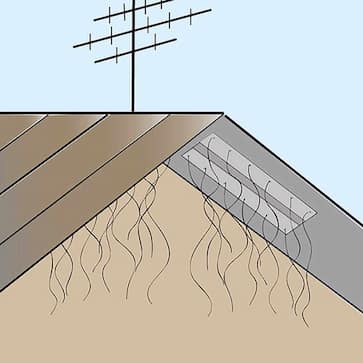
Credit: www.birdbgone.com
Visual And Auditory Deterrents
Swallows are beautiful birds, but their nests can cause problems for homeowners. Nests can leave behind messes and structural damage. Thankfully, visual and auditory deterrents can help keep swallows from building nests. These methods can be effective and humane.
Reflective Objects
Reflective objects can discourage swallows from nesting. Birds find shiny objects unsettling. Hanging CDs or aluminum foil strips can create reflections that scare the birds. Place these objects near areas where swallows try to nest. The constant movement and flashes of light will keep them away.
Another option is to use reflective tape. This tape moves with the wind and reflects sunlight. Attach it to eaves, rafters, and other potential nesting sites. The unpredictable flashes of light will deter the birds. These methods are easy to implement and cost-effective.
Sound Devices
Sound devices can also prevent swallows from nesting. These devices emit noises that birds find disturbing. Ultrasonic devices are popular because they produce high-frequency sounds. Humans cannot hear these sounds, but birds can.
Another choice is to use distress call recordings. These recordings mimic the sounds of swallows in danger. Hearing these sounds, birds will avoid the area, thinking it is unsafe. Place these devices near potential nesting sites. Ensure they cover the entire area for maximum effectiveness.
Chemical Repellents
Swallows are beautiful birds, but their nests can be a nuisance. Chemical repellents offer a way to deter swallows from nesting in unwanted areas. These products create an unpleasant environment for the birds, encouraging them to nest elsewhere. Let’s explore some safe products and application techniques for using chemical repellents effectively.
Safe Products
Choose chemical repellents that are safe for both birds and humans. Bird-safe gels and sprays are effective options. These products contain ingredients that swallows find unpleasant. Ensure the repellent is non-toxic and eco-friendly. Read labels carefully to confirm safety standards.
Application Techniques
Proper application is key to success. Apply the repellent to areas where swallows are likely to build nests. This includes ledges, eaves, and beams. Use gloves to protect your skin while applying the product. Reapply the repellent as needed, especially after heavy rain.
Sprays are easy to use. Simply point and spray the affected areas. Gels require a bit more effort. Use a caulking gun to apply the gel in a thin line. Make sure the gel covers the entire nesting surface. Regular maintenance ensures the repellent remains effective.
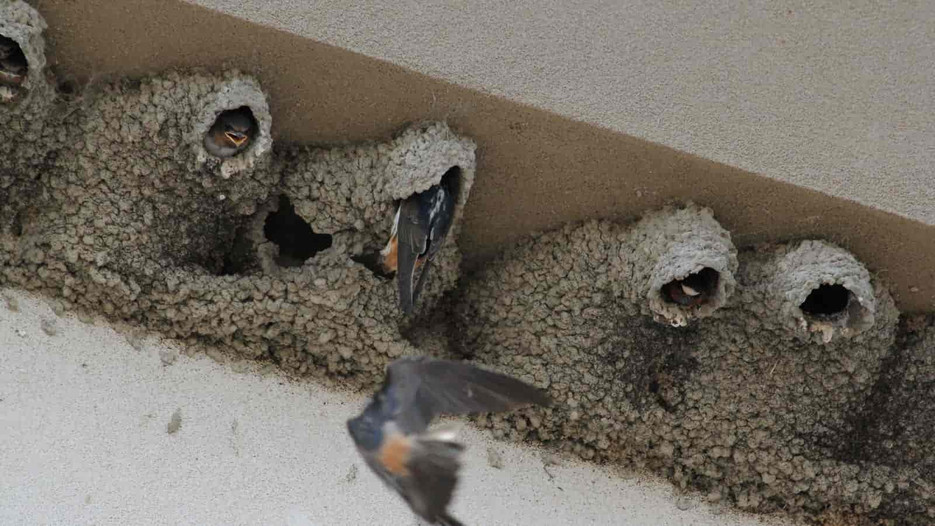
Credit: www.birdbgone.com
Environmental Modifications
Swallows are beautiful birds, but their nesting habits can become a nuisance if they choose to build their homes around your property. One effective way to deter them is through environmental modifications. By altering the surroundings, you can make your space less attractive to these persistent nest builders. Let’s delve into some practical methods to achieve this.
Altering Structures
Swallows prefer flat surfaces with overhead protection for nesting. To discourage them, you can modify these areas.
Consider installing bird spikes or netting on ledges and eaves. These create an uneven surface, making it hard for swallows to land and build.
Use reflective materials like old CDs or aluminum foil strips. These can create visual disturbances, making the area less inviting.
Removing Food Sources
Swallows are attracted to areas with abundant food sources. Reducing these can help keep them away.
Ensure you clean up any standing water and remove insects from your surroundings. Swallows feed on flying insects, so reducing their food supply will make your area less attractive.
Consider using insect repellents or traps. These can significantly reduce the insect population, thus limiting the food available for swallows.
Have you tried modifying your environment to deter swallows? What worked best for you?
Regular Maintenance And Monitoring
Maintaining and monitoring your property is crucial to keep swallows from building nests. Regular checks and quick actions can save you from bigger headaches later. Let’s dive into some effective strategies for consistent upkeep.
Routine Inspections
Make it a habit to inspect your property regularly. Check for early signs of nest-building. Look at common nesting spots like eaves, porches, and ledges.
During inspections, you might notice mud or grass accumulation. These are clear indicators of nest-building. Spotting these early can make removal easier.
I once noticed a small clump of grass under my porch light. It seemed harmless but turned out to be the start of a nest. Catching it early saved me from a bigger mess later on.
How often do you inspect your property? A weekly check can make a huge difference. Consistency is key to staying ahead of the swallows.
Prompt Removal Of Nests
If you find a nest under construction, remove it immediately. Waiting can give swallows the time to settle in. Prompt action discourages them from continuing their efforts.
Use safe methods to remove the nests. Wear gloves to protect yourself. Gently take down the nest and dispose of it far from your property.
I had to remove a nest once that was almost complete. I used a long pole to carefully knock it down. It’s important to be gentle to avoid hurting the birds or damaging your property.
Have you considered what tools you might need for this task? A ladder, gloves, and a long pole can be very handy. Keep them accessible for quick actions.
Regular maintenance and monitoring might seem tedious, but they are effective. By staying vigilant, you can prevent swallows from making your home theirs. What steps will you take today to start your routine checks?
Ethical Considerations
Understanding the ethical considerations of preventing swallows from building nests is important. Respect for wildlife and their habitats is crucial. Before taking any action, consider the impact on the birds. It’s essential to keep their well-being in mind. This section covers the legal aspects and humane practices of managing swallows.
Legal Aspects
Many areas have laws protecting swallows and their nests. Check local regulations before taking action. Disturbing or destroying nests can lead to fines. It’s illegal in some places to remove active nests. Understanding the legal framework helps avoid unintended consequences.
Humane Practices
There are humane ways to deter swallows from nesting. Use bird-friendly deterrents like netting or spikes. These methods prevent nest building without harming the birds. Reflective tapes and noise devices can also be effective. They discourage swallows from settling in specific areas.
Another humane method is to provide alternative nesting sites. Install birdhouses nearby. This offers swallows a safe place to build nests. It’s a win-win solution. The birds stay safe and your property remains nest-free. Always prioritize the birds’ safety and well-being.
Conclusion And Final Tips
Keeping swallows from building nests on your property can be a challenging task. Implementing effective strategies ensures your space remains nest-free. Below, you’ll find a summary of strategies and long-term prevention tips to help you keep swallows at bay.
Summary Of Strategies
Start with visual deterrents like shiny objects or bird spikes. These make it hard for swallows to land and build nests. Use bird netting to block access to potential nesting spots. Install it under eaves, porches, and other favored areas. Apply bird gel to surfaces where swallows try to nest. This makes the area uncomfortable for them. Keep the area clean. Remove old nests and wash the nesting sites thoroughly.
Long-term Prevention
Consistently apply the strategies mentioned above. Regular maintenance is key. Check the areas frequently for signs of nesting activity. Install birdhouses away from your property to attract swallows elsewhere. This gives them a new place to build nests. Plant trees and shrubs at a distance from your home. This provides alternative nesting spots. Educate your neighbors. Community effort increases the effectiveness of these strategies. Together, you can keep swallows from nesting in unwanted areas.
Frequently Asked Questions
What Deters Swallows From Nesting?
Install bird spikes or netting to deter swallows. Use visual deterrents like reflective tape or predator decoys. Seal nesting sites.
What Smell Keeps Swallows Away?
Swallows dislike the strong smell of peppermint oil. Use it to deter them from nesting. Apply it regularly.
Does Aluminum Foil Deter Barn Swallows?
Yes, aluminum foil can deter barn swallows. Its reflective surface scares birds away, preventing them from nesting.
What Is A Bird Scarer For Swallows?
A bird scarer for swallows deters them from nesting in unwanted areas. It uses visual, auditory, or physical methods.
Conclusion
Keeping swallows from building nests requires simple yet effective steps. Install bird spikes or netting. Use reflective materials to deter them. Regularly clean areas where they nest. Be consistent with your efforts. These methods are humane and effective. They help maintain a clean environment.
Swallows will seek nesting sites elsewhere. Protect your home and enjoy a bird-free space. Remember, prevention is key. Stay vigilant, and you’ll keep swallows away.
