
No, it is generally not good to keep a wild bird indoors. Wild birds are meant to live in their natural habitats.
Keeping a wild bird indoors can cause stress and health issues for the bird. These birds thrive in open spaces, flying freely and finding food. Indoor environments limit their movement and natural behaviors. Birds also need social interactions with their species, which they can’t get indoors.
Understanding the needs and behaviors of wild birds helps us realize why they belong in nature. This blog will explore the reasons why keeping wild birds indoors is not ideal and what alternatives exist for bird lovers. Stay with us to learn more about the impact on the bird’s well-being and how you can help wild birds in their natural environment.
Introduction To Keeping Wild Birds Indoors
Have you ever found a wild bird and wondered if it would be a good idea to keep it indoors? You’re not alone. Many people have considered the idea of bringing a bit of the wild into their homes. But is it really a good idea? Let’s take a closer look at the history and reasons behind keeping wild birds indoors.
Brief History Of Captive Birds
Humans have kept birds as pets for thousands of years. Ancient Egyptians were known to keep pigeons and doves. In medieval Europe, songbirds were often kept in ornate cages for their melodious tunes.
During the Victorian era, it became fashionable to keep exotic birds. Parrots, canaries, and finches were popular choices. Today, many people still find joy in the companionship of birds.
Common Reasons For Keeping Wild Birds
One common reason people keep wild birds is for their beauty. Birds like cardinals and blue jays can add vibrant colors to your home.
Another reason is their songs. Hearing a bird sing can be a soothing and uplifting experience. It can bring a touch of nature into your daily life.
Some people also keep wild birds for educational purposes. Observing a bird’s behavior up close can be a great learning experience, especially for children.
But before you make a decision, consider the bird’s well-being. Is it ethical to keep a wild bird indoors? Would it be happier in its natural habitat? These are important questions to ask yourself.
What are your thoughts on keeping wild birds indoors? Have you ever done it? Share your experiences in the comments below!
Benefits Of Indoor Bird Keeping
Keeping a wild bird indoors can have several benefits that make the experience rewarding for both the bird and its keeper. Below, we explore some of these advantages, focusing on enhanced bird safety and close human interaction.
Enhanced Bird Safety
Indoor bird keeping significantly reduces the risks associated with predators. Wild birds often face threats from cats, larger birds, and other animals. By keeping a bird indoors, you provide a safe haven away from these dangers.
Additionally, indoor environments protect birds from harsh weather conditions. Extreme temperatures, storms, and other elements can be harmful to wild birds. Indoors, you can control the climate, ensuring your feathered friend stays comfortable year-round.
Another safety benefit is the reduced risk of diseases. Wild birds can easily contract illnesses from other birds or contaminated environments. Indoors, you can monitor their health more closely and maintain a clean, controlled living space.
Close Human Interaction
One of the most rewarding aspects of keeping a bird indoors is the bond you can form. Regular interaction with your bird can lead to a deep, trusting relationship. Birds can become quite affectionate and enjoy spending time with their human companions.
Indoor birds often learn to mimic sounds and phrases. This can be both entertaining and endearing, creating a fun and engaging atmosphere in your home. Imagine coming home to a bird that greets you with a cheerful chirp or even a spoken word!
Furthermore, caring for a bird indoors allows you to observe their behavior closely. This can be fascinating and educational. You can learn about their habits, preferences, and even their unique personality traits.
What experiences have you had with indoor birds? Have you noticed any other benefits that make this practice worthwhile?
Health Advantages For Birds
Keeping a wild bird indoors can offer numerous health advantages. While the idea may seem unconventional, it can significantly improve the bird’s well-being. Let’s explore how regular veterinary care and a controlled diet contribute to these health benefits.
Regular Veterinary Care
Regular veterinary care is crucial for maintaining the health of a wild bird. When you keep a bird indoors, you can schedule routine check-ups with an avian vet. This ensures early detection of illnesses, which can lead to timely treatment.
I remember taking my parakeet to the vet for a minor issue. The vet discovered a vitamin deficiency that I wasn’t aware of. Early intervention helped my bird recover quickly, which wouldn’t have been possible if it was living in the wild.
Does your bird show signs of discomfort or abnormal behavior? A vet can provide professional advice and treatment, ensuring your bird stays healthy and happy.
Controlled Diet
Another significant advantage is the ability to provide a controlled diet. In the wild, birds may struggle to find nutritious food, leading to malnutrition. Indoors, you can offer a balanced diet tailored to your bird’s needs.
Consider the case of my friend’s finch. Initially, it had a dull plumage due to poor nutrition. After switching to a diet rich in seeds, fruits, and vegetables, its feathers became vibrant and glossy.
What does your bird’s diet look like? A controlled diet can prevent obesity, deficiencies, and other health issues, ensuring your bird leads a long, healthy life.
By keeping a wild bird indoors, you can provide regular veterinary care and a controlled diet, significantly enhancing its health and quality of life. How will you ensure your bird gets these benefits?

Credit: alamedapost.com
Challenges Of Indoor Bird Keeping
Keeping a wild bird indoors presents unique challenges. These challenges can affect both the bird and the owner. Understanding these difficulties can help in making an informed decision.
Limited Space For Flight
Birds need space to fly. In the wild, they soar freely across vast skies. Indoors, this freedom is restricted. A small cage limits their movement. This lack of flight space can lead to health issues. Birds may develop weak muscles. They may also become overweight due to inactivity. Providing enough space is essential for their well-being.
Behavioral Changes
Wild birds exhibit natural behaviors. Indoors, these behaviors can change. They may become stressed or anxious. This stress can lead to feather plucking. Birds may also become aggressive. They might bite or scream more often. The lack of natural stimuli affects their mental health. Ensuring a stimulating environment helps maintain their natural behaviors.
Health Risks For Birds Indoors
Keeping a wild bird indoors poses health risks. Birds need fresh air, sunlight, and space to fly freely. Confinement can lead to stress and illness.
Keeping a wild bird indoors might seem like a good idea, especially if you want to protect it from predators and harsh weather. However, it’s important to be aware of the health risks for birds indoors. These risks can significantly impact their well-being and lifespan.Potential For Disease
Birds kept indoors are prone to various diseases. Poor ventilation can lead to respiratory issues. Dust and mold in your home can aggravate these conditions. Moreover, indoor birds often lack exposure to natural sunlight. This can result in vitamin D deficiency. A lack of vitamin D can weaken their bones and immune systems. Lastly, indoor birds can catch diseases from other pets. This is particularly true if you have cats or dogs. Their immune systems are not built to handle these pathogens.Mental Stress And Boredom
Imagine being confined to a small space for your entire life. This is what indoor birds experience. They can suffer from mental stress and boredom. Birds are highly intelligent and social creatures. They need mental stimulation and interaction. Lack of these can lead to behavioral issues like feather plucking. I once had a friend who kept a wild parrot indoors. The bird started to pick its feathers out of boredom. This was heartbreaking to witness. To keep birds mentally healthy, they need an environment that mimics their natural habitat. This is hard to achieve indoors. Providing toys and interaction can help, but it’s never quite the same. Have you ever wondered why birds sing so joyfully in the wild? It’s because they are happy and stimulated. Keeping them indoors robs them of this joy. In conclusion, the health risks for birds indoors are significant. It’s crucial to weigh these risks before deciding to keep a wild bird inside. Your feathered friend deserves the best life possible.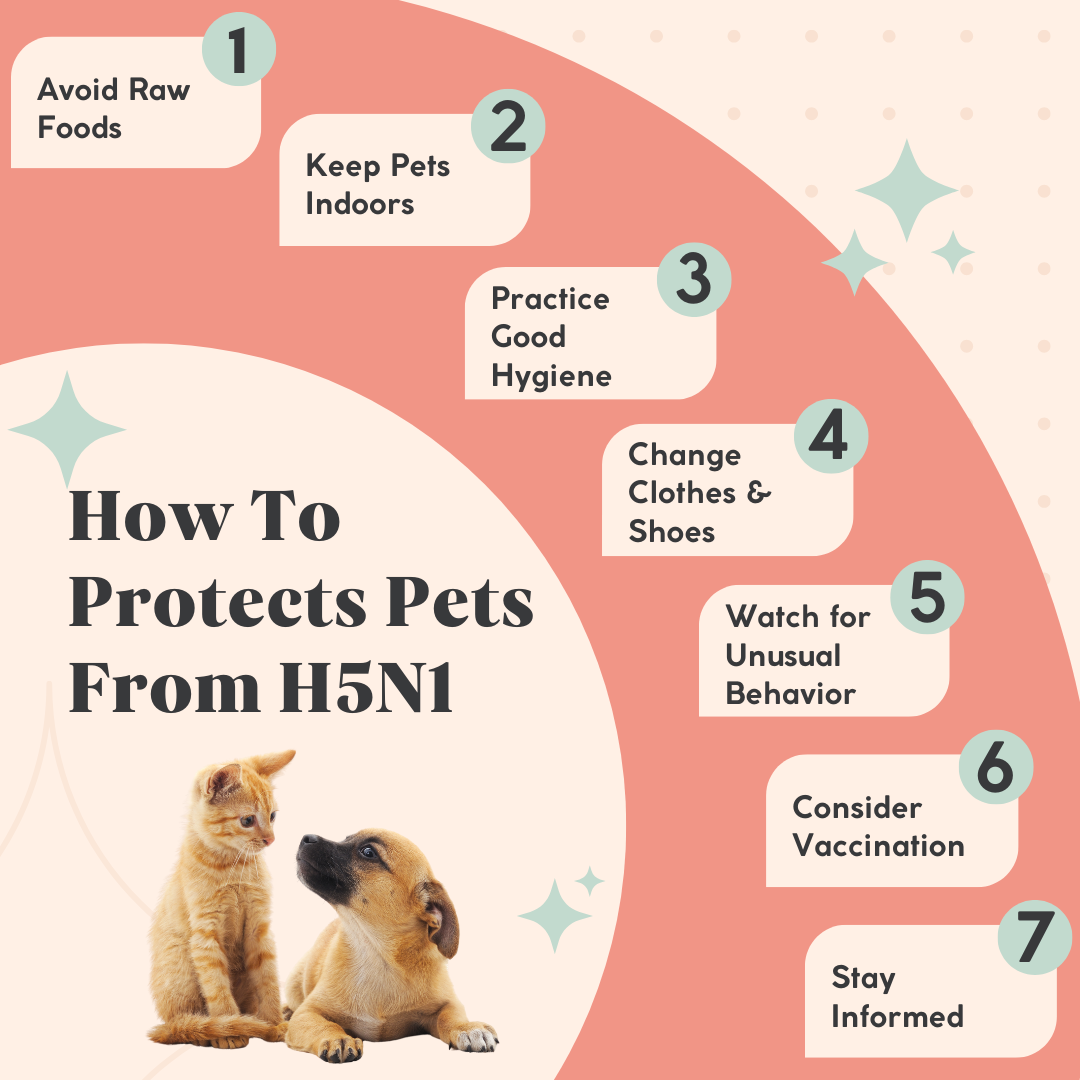
Credit: www.thedrakecenter.com
Ethical Considerations
Keeping a wild bird indoors poses ethical concerns. It can lead to stress and health problems for the bird. Birds thrive in their natural habitats.
Keeping a wild bird indoors raises many ethical concerns. These creatures thrive in their natural environment. Capturing them disrupts their way of life. It’s important to understand the impact on their well-being and the environment.Wild Birds’ Natural Habitat
Wild birds belong in nature. Their natural habitat provides food, shelter, and space to fly. Indoors, they can’t enjoy these freedoms. Birds need to interact with their surroundings. They require the stimulation of trees, sky, and other wildlife. Confining them indoors can lead to stress and health problems.Impact On Ecosystems
Wild birds play a crucial role in ecosystems. They help with seed dispersal and pest control. Removing them disrupts these natural processes. This can have a ripple effect on other species. It can also affect plant growth and overall biodiversity. Keeping wild birds indoors impacts the balance of nature. It harms not only the bird but the entire ecosystem. “`Legal Aspects
Keeping a wild bird indoors may seem like a fascinating idea. However, understanding the legal aspects is crucial. Let’s delve into the laws and regulations surrounding this topic.
Laws On Wildlife Protection
Wildlife protection laws vary across regions, but they all aim to preserve natural habitats. These laws protect wild birds from being kept indoors. It’s important to know that many bird species are protected by law.
In the United States, for example, the Migratory Bird Treaty Act prohibits capturing, selling, or keeping many bird species. Violating this law can lead to severe penalties. Always check local wildlife protection laws before considering keeping a wild bird indoors.
Permits And Regulations
In some cases, you might need a permit to keep certain bird species. These permits ensure the bird’s welfare and proper care. But obtaining a permit is often a complex process.
Permits usually require detailed documentation and proof that you can provide suitable living conditions. This includes space, food, and veterinary care. If you’re committed to keeping a wild bird indoors, be prepared for extensive paperwork.
Have you considered how much effort it takes to comply with these regulations? It’s essential to weigh the pros and cons before diving into the legal maze. Sometimes, the best way to enjoy wild birds is to observe them in their natural habitat.
Think about the bird’s perspective: would it thrive in an indoor environment? Legal aspects not only protect wildlife but also ensure ethical treatment. Make informed decisions to respect both the law and the bird’s natural life.
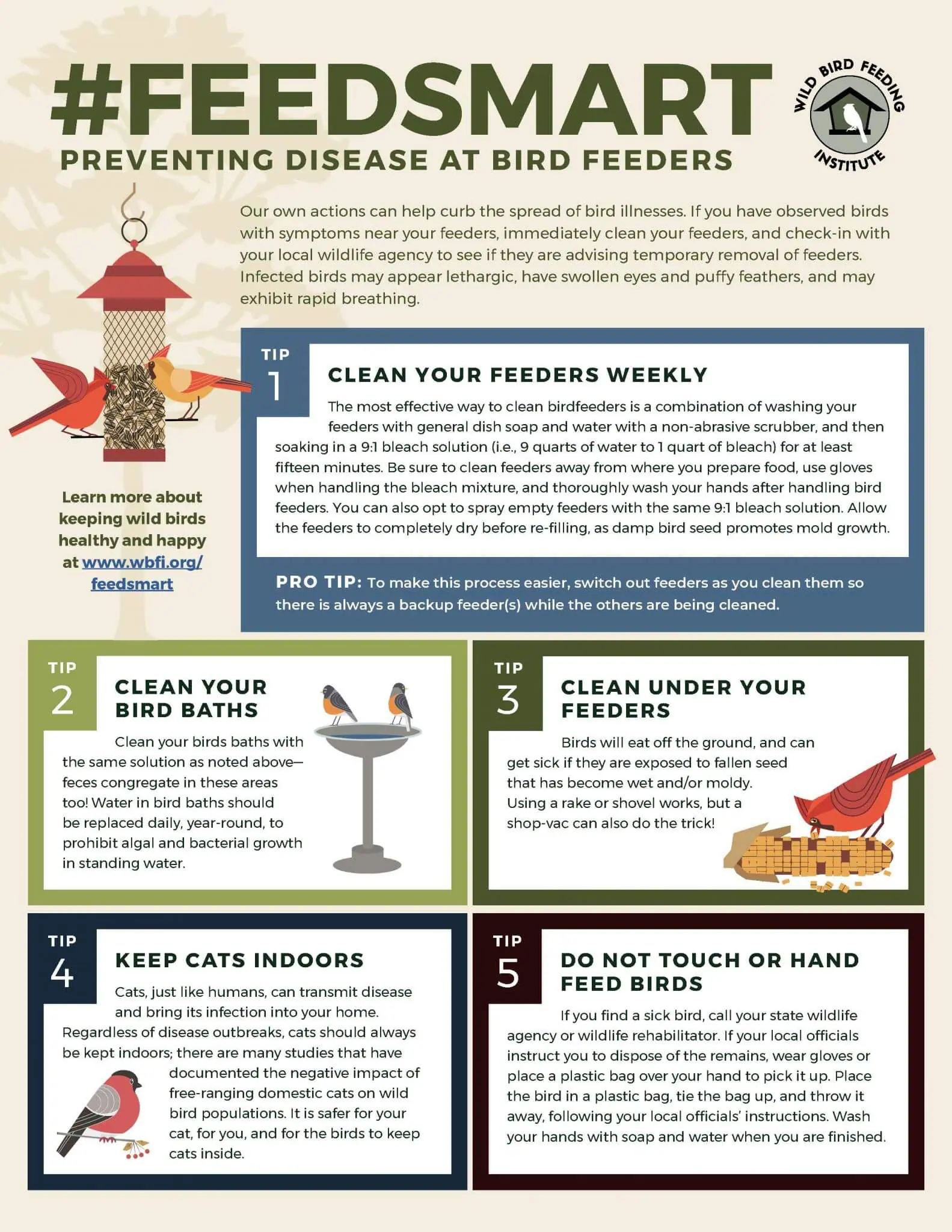
Credit: wildbirdstore.com
Alternatives To Indoor Keeping
Keeping a wild bird indoors might not always be best for the bird. Birds need space and freedom. There are better ways to care for them without confining them to a home. These alternatives ensure the bird’s well-being and happiness.
Outdoor Aviaries
Outdoor aviaries provide birds with a natural environment. They allow birds to fly and exercise. Fresh air and sunlight are vital for a bird’s health. An aviary can mimic the bird’s natural habitat. It helps in reducing stress and promotes natural behaviors. Building an outdoor aviary can be simple and cost-effective. It is a great option for bird enthusiasts who want to care for wild birds responsibly.
Wildlife Rehabilitation Centers
Wildlife rehabilitation centers are designed to help injured or orphaned birds. These centers have experts who know how to care for wild birds. They provide medical care, food, and shelter. The goal is to release the birds back into the wild. Rehabilitation centers also educate the public on how to protect wildlife. Supporting these centers can be a good way to help wild birds.
Frequently Asked Questions
Can I Keep A Wild Bird In My House?
Keeping a wild bird in your house is generally illegal and harmful. Wild birds need their natural habitat to thrive. Consult local wildlife authorities for more information.
Is It Healthy To Have Birds In The House?
Yes, having birds in the house can be healthy. Birds can improve mood, reduce stress, and provide companionship. However, ensure proper hygiene and care to avoid potential health risks.
Can You Keep Birds Inside The House?
Yes, you can keep birds inside the house. Ensure they have a safe, spacious cage, proper diet, and regular cleaning.
Is A Bird In The House Good Or Bad Luck?
A bird in the house can signify different things. Some cultures see it as good luck, while others view it as bad luck.
Conclusion
Keeping a wild bird indoors has its challenges. Birds need space to thrive. They benefit from natural habitats. Indoor confinement can stress them. Consider their well-being first. Think about their natural behaviors. Wild birds belong in the wild. Let them fly free.
It’s best for their health. Choose to appreciate them outdoors. Nature provides the best home.
