
South Carolina is home to diverse plant life. Identifying them can be a rewarding experience.
Exploring the rich flora of South Carolina is a delightful journey. From the coastal plains to the mountain regions, each area offers unique plant species. This guide will help you recognize various plants, enhancing your knowledge and appreciation of nature.
Whether you’re a seasoned botanist or a curious beginner, understanding local plants can deepen your connection to the environment. With this guide, you’ll discover the beauty and importance of South Carolina’s plant life. Let’s dive into the fascinating world of plant identification in this beautiful state.
Introduction To South Carolina Flora
Explore South Carolina’s diverse flora with the Plant Identification Guide. This resource helps identify native plants and understand their habitats. Discover the beauty and variety of local vegetation.
South Carolina is home to a diverse range of plants. This guide helps you identify native plants and understand their importance. Whether you are a botanist or a nature lover, you will find this guide useful.Importance Of Native Plants
Native plants are crucial for the environment. They provide food and shelter for local wildlife. These plants are adapted to the local climate and soil. This means they need less water and care compared to non-native plants. Using native plants in your garden can reduce water usage. It also supports the local ecosystem.Biodiversity In South Carolina
South Carolina boasts rich biodiversity. The state has various habitats, like coastal plains, mountains, and wetlands. Each habitat supports unique plant species. This diversity helps maintain balance in the ecosystem. It also offers a beautiful landscape for residents and visitors. Learning about the different plants enhances your appreciation for nature. “`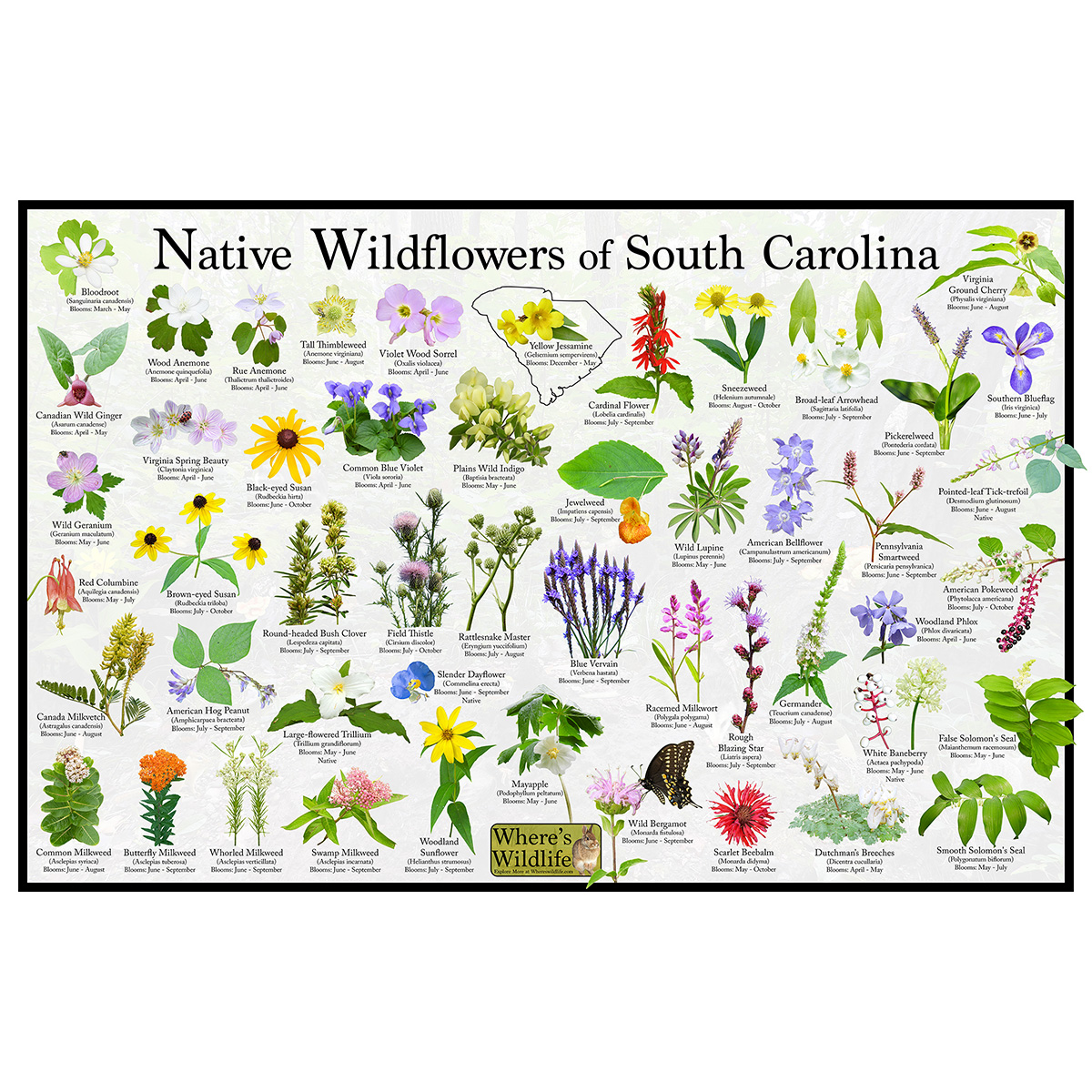
Credit: whereswildlife.com
Common Trees
South Carolina is home to a diverse range of trees that contribute to its lush landscapes. In this section, we’ll explore some of the most common trees found in the region.
Live Oak
The Live Oak is a majestic tree known for its sprawling branches and dense foliage. It thrives in the warm climate of South Carolina. This tree often grows near coastlines and provides shade with its large canopy. The Live Oak’s leaves are dark green and glossy, staying green throughout the year.
It is a symbol of strength and longevity. Many Live Oaks in South Carolina have stood for hundreds of years. Their sturdy trunks and strong branches make them a favorite among residents.
Palmetto Tree
The Palmetto Tree, also known as the Sabal Palm, is an iconic symbol of South Carolina. It is featured on the state flag. This tree is easily recognizable by its fan-shaped leaves and tall, slender trunk.
Palmetto Trees are highly adaptable. They can grow in sandy soils near the coast and in wetter inland areas. Their resilience makes them a common sight across the state. The Palmetto Tree plays a vital role in coastal ecosystems, offering shelter to various wildlife.
Flowering Plants
Discover the beauty of South Carolina’s flowering plants with this easy-to-use identification guide. Perfect for nature lovers and gardeners. Identify local flora effortlessly.
Flowering plants add beauty and charm to any garden. They are also essential for the ecosystem, providing nectar for pollinators like bees and butterflies. Let’s dive into some of the unique flowering plants you can find in South Carolina.Carolina Jessamine
Carolina Jessamine is a stunning evergreen vine. It blooms in late winter or early spring, producing a cascade of bright yellow flowers. These flowers have a sweet fragrance that can fill your garden with a delightful scent. This plant thrives in well-drained soil and loves full sun to partial shade. Be cautious, though, as all parts of Carolina Jessamine are toxic if ingested. So, it’s best to keep pets and small children away from it.Purple Coneflower
The Purple Coneflower is another fantastic flowering plant. It is known for its striking purple petals and prominent, spiky center. This plant not only looks great but also attracts butterflies and bees, making it a favorite for pollinator gardens. Purple Coneflowers are hardy and can tolerate a variety of soil conditions. They prefer full sun and can withstand drought, making them perfect for South Carolina’s hot summers. Plus, they can be used in herbal remedies, adding another layer of usefulness to your garden. What flowering plants have you found most captivating in your garden? Share your experiences and let’s discuss how these plants have added value to your outdoor space.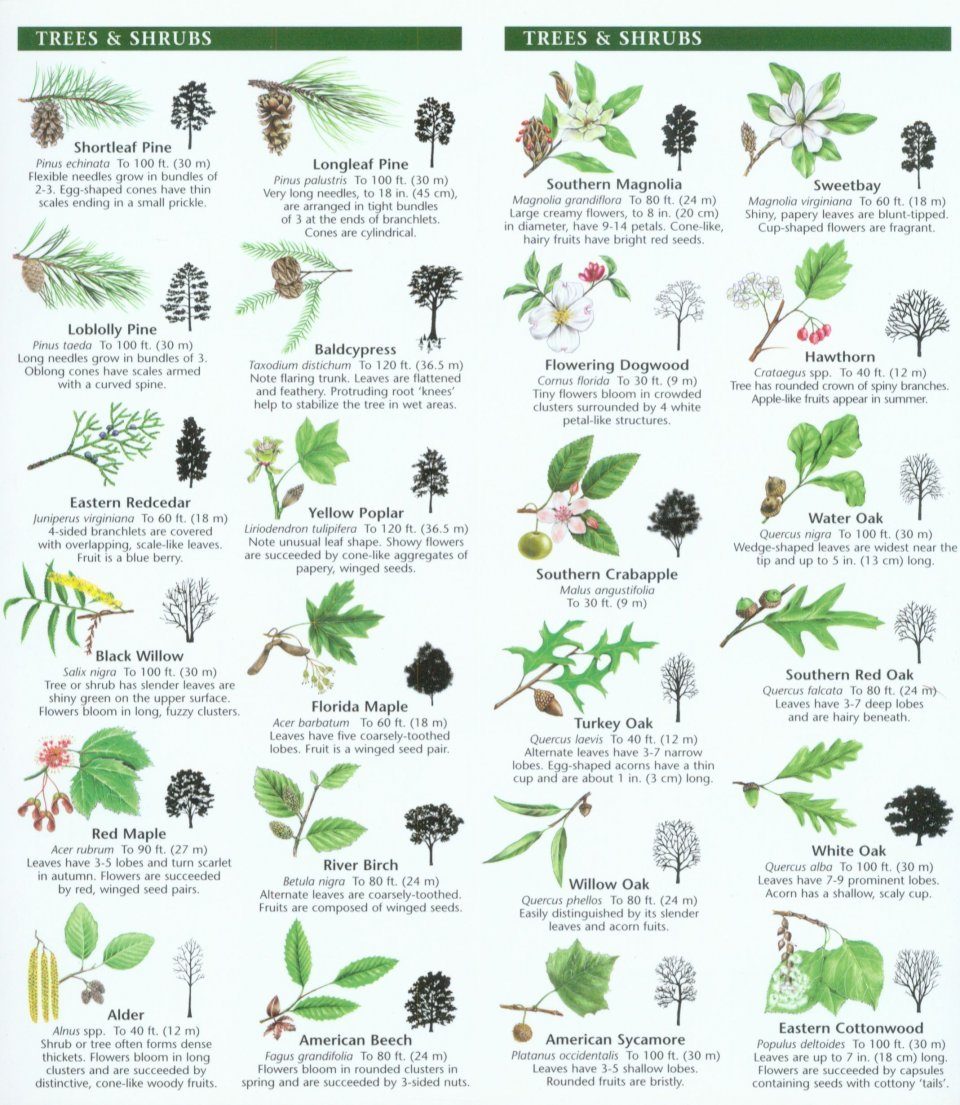
Credit: www.nhbs.com
Shrubs And Bushes
South Carolina is home to a variety of shrubs and bushes that can add beauty and diversity to your garden. Identifying these plants is essential for proper care and maintenance. In this guide, we’ll explore some popular shrubs and bushes found in South Carolina, including Wax Myrtle and Sweet Pepperbush.
Wax Myrtle
Wax Myrtle is a versatile shrub that thrives in South Carolina’s climate. Its glossy, aromatic leaves and small berries make it a favorite among gardeners.
This shrub can grow up to 20 feet tall, providing excellent privacy screens and windbreaks.
Wax Myrtle is also known for its ability to thrive in various soil types, from sandy to clay-rich soils. You might find it along coastal areas or in your backyard.
Have you ever brushed against a Wax Myrtle and noticed its distinctive fragrance? It’s one of the delightful aspects of having this shrub in your garden.
Thinking about adding Wax Myrtle to your landscape? Consider its rapid growth and ease of maintenance. You’ll appreciate how quickly it fills out and enhances your garden.
Sweet Pepperbush
Sweet Pepperbush is another native shrub that brings charm to South Carolina gardens. Its clusters of white flowers bloom in late summer, attracting pollinators like bees and butterflies.
Sweet Pepperbush can reach heights of 5 to 8 feet, making it suitable for borders or as a standalone feature in your garden.
This shrub prefers moist, well-drained soils and can often be found near streams or wetlands. Do you have a spot in your garden that stays damp? Sweet Pepperbush might be the perfect fit.
One personal experience with Sweet Pepperbush is seeing it thrive in a friend’s garden. The fragrance of its blooms was captivating, and it drew in a variety of pollinators, adding life to the garden.
Are you looking for a shrub that not only looks good but also supports local wildlife? Sweet Pepperbush is an excellent choice for creating a vibrant, eco-friendly garden.
These shrubs and bushes can transform your garden into a thriving, beautiful space. Which one will you add to your landscape next?
Grasses And Sedges
When it comes to identifying plants in South Carolina, understanding the variety of grasses and sedges is essential. These plants not only add beauty to landscapes but also play a critical role in maintaining local ecosystems. Let’s dive into two fascinating types: Muhly Grass and Seaside Goldenrod.
Muhly Grass
Muhly Grass, known scientifically as Muhlenbergia capillaris, is a native ornamental grass that brings a stunning pink or purple hue to the landscape during its blooming season. This grass is drought-tolerant and thrives in well-drained soils, making it an excellent choice for your garden or yard.
I remember the first time I saw a field of Muhly Grass in full bloom. It was like walking through a pink cloud, and I couldn’t help but stop to take pictures. If you plant Muhly Grass, you’ll likely have similar moments of awe.
Planting Muhly Grass is straightforward. It’s best to plant them in the spring or fall. They need plenty of sunlight, so choose a spot that gets at least six hours of sun each day. Once established, they require minimal maintenance—just occasional watering during prolonged dry spells.
Seaside Goldenrod
Seaside Goldenrod, or Solidago sempervirens, is another fascinating plant native to South Carolina. This perennial herb is found along the coastal areas and is known for its bright yellow flowers that bloom from late summer to fall.
Have you ever walked along a South Carolina beach and noticed vibrant yellow flowers? That’s likely Seaside Goldenrod. These flowers not only add color to the sandy dunes but also attract a variety of pollinators like bees and butterflies.
To grow Seaside Goldenrod in your garden, plant it in sandy, well-drained soil. It’s salt-tolerant, making it perfect for coastal gardens. Regular watering is necessary initially, but once established, it’s quite hardy. This plant can reach up to four feet in height, so consider its size when planning your landscape.
Have you considered adding native grasses and sedges to your garden? They offer more than just aesthetic appeal—they support local wildlife and require less maintenance. What are your favorite grasses or sedges in your area?
Wetland Plants
South Carolina’s wetlands are home to a diverse range of plants. These plants play a crucial role in maintaining the ecosystem. They provide habitat for wildlife and help control water levels.
Cattails
Cattails are one of the most recognizable wetland plants. They grow tall, reaching heights of up to ten feet. Their brown, sausage-shaped flower spikes are easy to spot.
You’ll often find cattails near the edges of ponds and marshes. They thrive in muddy, waterlogged soil. Cattails are excellent at filtering water, removing pollutants and providing shelter for aquatic creatures.
Have you ever noticed the fluffy seeds of cattails floating in the air? These seeds can travel long distances, ensuring cattails spread widely. Next time you’re near a wetland, look out for these fascinating plants.
Pickerelweed
Pickerelweed is another common wetland plant in South Carolina. Its heart-shaped leaves and purple flowers make it stand out. Pickerelweed can grow up to three feet tall.
This plant prefers shallow waters and is often found along the edges of lakes and streams. Pickerelweed blooms from late spring to early fall, attracting bees and butterflies.
Did you know pickerelweed can also be used in gardens? If you have a pond or water feature, consider adding pickerelweed. It adds beauty and supports local wildlife.
Wetland plants like cattails and pickerelweed are vital for our environment. They help maintain the balance of wetland ecosystems. When you visit a wetland, take a moment to appreciate these plants.
Have you ever thought about how these plants affect the water quality? Their ability to filter pollutants is remarkable. Next time you see a wetland, think about the role these plants play.
Conservation Efforts
South Carolina is home to a diverse range of plant species. Many of these plants are native to the region and play a crucial role in maintaining ecological balance. However, they face threats from habitat loss and invasive species. This guide aims to highlight conservation efforts focused on protecting and restoring these vital plant populations.
Protecting Native Species
Protecting native species is essential for preserving the natural heritage of South Carolina. Native plants provide food and shelter for local wildlife, support pollinators, and maintain soil health. Conservation initiatives often include creating protected areas and educating the public about the importance of these plants.
One practical step you can take is to plant native species in your garden. This not only supports biodiversity but also helps combat invasive species. For example, adding native wildflowers can attract butterflies and bees, enhancing your garden’s beauty and ecological value.
Habitat Restoration
Habitat restoration is another key aspect of conservation efforts. This involves rehabilitating damaged ecosystems to bring back native plants and wildlife. Efforts include removing invasive species, replanting native flora, and improving soil and water quality.
Community involvement is crucial in habitat restoration. You can participate in local clean-up events or volunteer for replanting projects. Imagine the satisfaction of seeing a once-degraded area flourish with native plants, knowing you played a part in its recovery.
Have you ever thought about the role you could play in these conservation efforts? Simple actions like choosing native plants or participating in local projects can make a significant difference. What steps will you take to support South Carolina’s plant conservation efforts?

Credit: whereswildlife.com
Resources For Plant Enthusiasts
Are you a plant enthusiast eager to deepen your knowledge of South Carolina’s flora? You’re in luck! There are numerous resources available to help you identify and learn about the diverse plant life in this beautiful state. Whether you prefer exploring botanical gardens, using field guides, or leveraging modern apps, there’s something for everyone.
Local Botanical Gardens
Local botanical gardens offer a treasure trove of plant species. Each visit feels like a new adventure, with something unique to discover every time. For example, the South Carolina Botanical Garden in Clemson is home to thousands of native and exotic plants.
When I visited, I was amazed by the Butterfly Garden. It was a feast for the senses, and I learned about various plants that attract butterflies. Don’t miss the guided tours; they provide in-depth insights that you might overlook on your own.
Field Guides And Apps
If you prefer learning at your own pace, field guides and apps are your best friends. They are handy and can be used right in the field. “A Field Guide to the Wildflowers of South Carolina” is a must-have for any local plant enthusiast.
Apps like PlantSnap and iNaturalist are also incredibly useful. They allow you to take a photo and get instant identification. I once identified a rare orchid using PlantSnap during a hike. It was thrilling!
Have you ever used these resources? If not, give them a try. They can transform your plant identification skills and make your outdoor experiences much more enriching.
Frequently Asked Questions
What Is The Native Flower Of South Carolina?
The native flower of South Carolina is the Yellow Jessamine. It blooms in early spring and has fragrant yellow flowers.
What Is The Plant That Hangs From Trees In South Carolina?
The plant that hangs from trees in South Carolina is Spanish moss. It is an epiphyte that grows on live oaks and cypress trees.
What Is The Most Poisonous Plant In South Carolina?
The most poisonous plant in South Carolina is the Water Hemlock. It contains toxic compounds that can be fatal if ingested.
What Is The Most Popular Plant In South Carolina?
The most popular plant in South Carolina is the Yellow Jessamine. It is the state flower and blooms beautifully in spring.
Conclusion
Exploring South Carolina’s diverse plant life can be truly rewarding. This guide aims to help you identify and understand local flora. With practice, you’ll recognize various plants effortlessly. Use this knowledge to enhance outdoor adventures. Remember, each plant has unique features.
Observing them closely will deepen your appreciation for nature. Happy plant hunting!
